

Guides and Posts
Of Products
Help Categories
Helpful Staff
Product Selection & System Guidance
Find the Right Floor Paint
Search by floor type, use or performance requirement to access the correct product guide. From epoxy and polyurethane to anti-slip and fast cure systems, find the right solution for your application.
- 0 comments
- by Sam Marriott
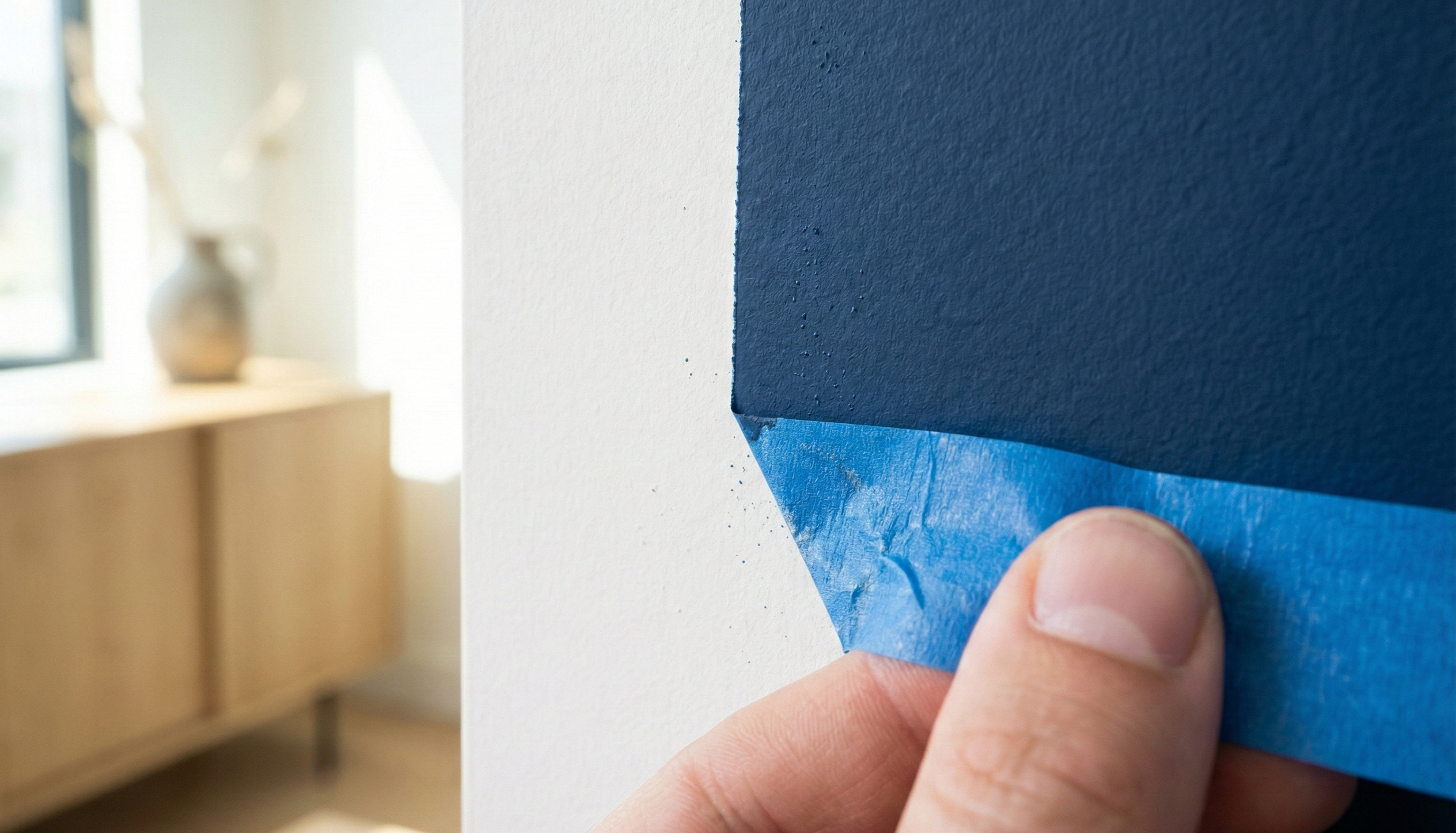
Tape Removal Timing: How to Get Crisp Lines Without Ruining Your Edge
- 0 comments
- by Sam Marriott
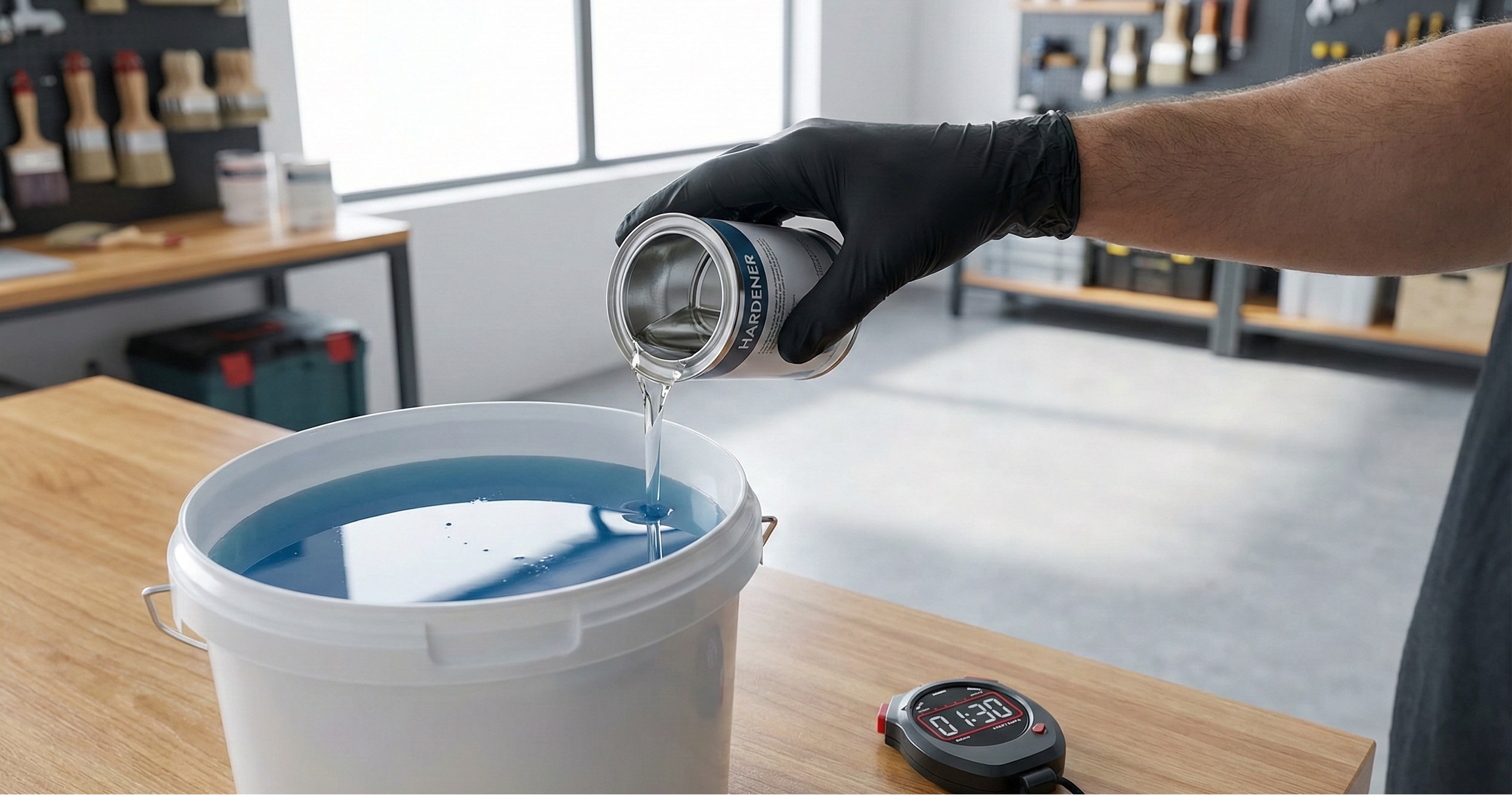
Understanding Pot Life: Working Times for 2-Pack Systems
No guides found matching your search.
Try a different keyword.
By Surface, Use & Performance
Floor Paint Selection
Guides to help you choose the correct floor coating based on environment, traffic levels and performance requirements. Designed to match the right system to the job.
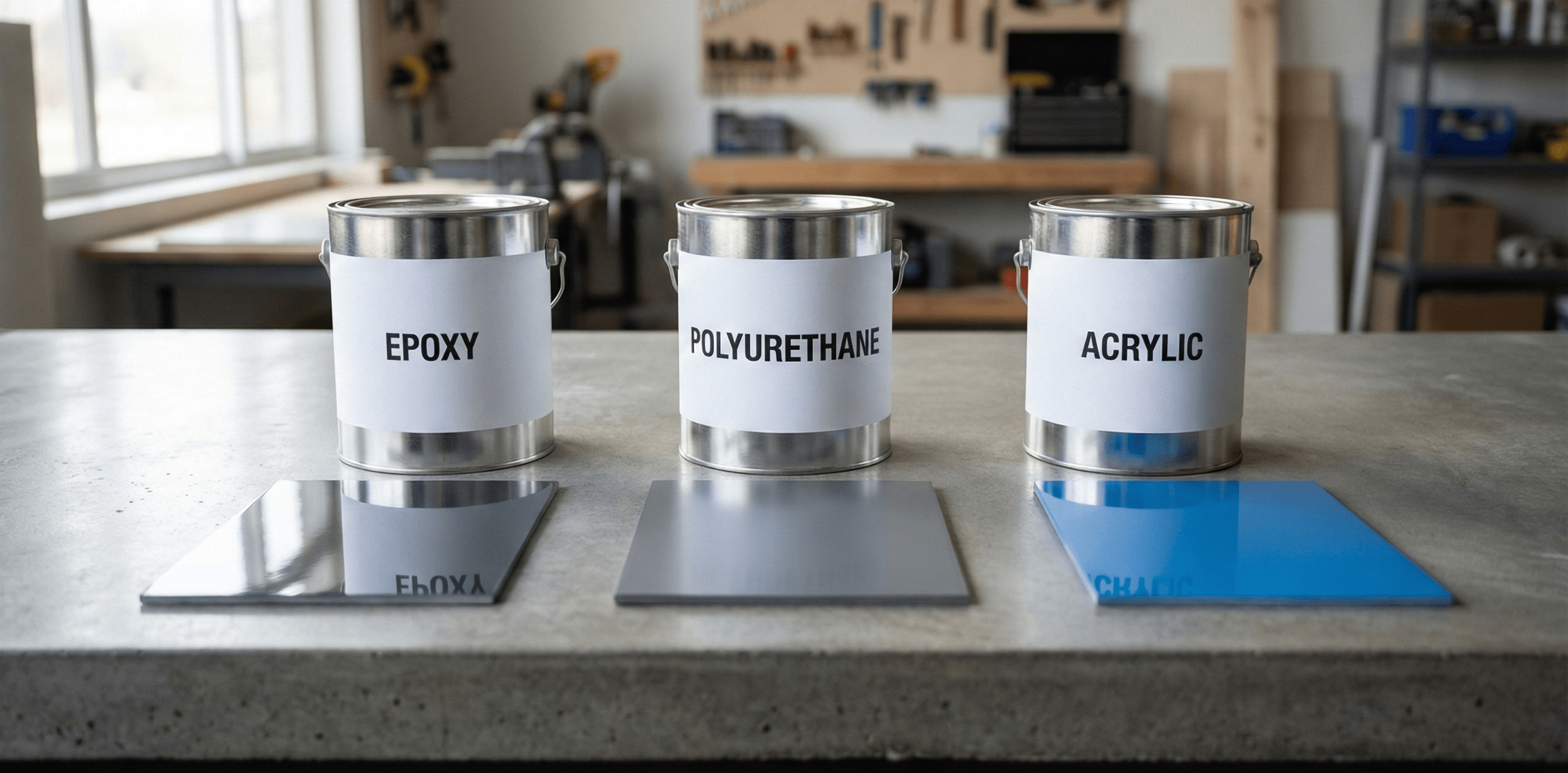
Epoxy vs. Polyurethane vs. Acrylic: Selecting the Right Paint
Floor Coating Selection Explained
Floor Paint Selection FAQ’s
FLOOR TYPE & CONDITION
The substrate and its condition are the starting point for selecting any floor coating system. Incorrect assessment leads to immediate or premature failure.
What type of floor do I have and why does it matter?
The most common substrates are concrete, sand/cement screed, asphalt and previously coated floors. Each behaves differently in terms of porosity, strength and flexibility. For example, concrete typically requires mechanical preparation and benefits from epoxy systems, while asphalt requires more flexible coatings to accommodate movement. Identifying the correct substrate ensures the coating system is compatible from the outset.
Can I use the same floor paint on concrete and asphalt?
No. Concrete is rigid and porous, whereas asphalt is flexible and contains oils that can affect adhesion. Using a rigid coating like epoxy on asphalt can lead to cracking and failure. Always choose a system designed specifically for the substrate.
How do I know if my floor is suitable for coating?
The surface must be clean, dry, structurally sound and free from contamination. Any laitance, dust, oil or previous coatings must be removed or stabilised. Weak or damaged substrates must be repaired before applying any coating system.
Do I need to consider previous coatings before choosing a new one?
Yes. Existing coatings must be assessed for adhesion and compatibility. If they are failing or incompatible with the new system, they must be removed. Applying a new coating over an unsuitable base will result in further failure.
What is the biggest mistake when assessing a floor?
Assuming all concrete or existing floors behave the same. Differences in density, contamination and previous treatments can significantly affect coating performance.
Do new and old concrete floors require different products?
Yes. New concrete may contain residual moisture and require curing time or moisture-tolerant systems, while older concrete may require more intensive preparation due to contamination or surface degradation.
USE, TRAFFIC & PERFORMANCE REQUIREMENTS
The intended use of the floor determines the level of durability, resistance and performance required from the coating system.
How do I choose a floor paint based on use?
Start by identifying how the floor will be used. Light-use areas such as domestic spaces can use simpler systems, while garages, workshops and industrial floors require heavy-duty coatings with higher abrasion and chemical resistance.
What is the best floor paint for a garage?
Garage floors typically require coatings that can withstand vehicle traffic, tyre movement, oil and fuel exposure. Two-pack epoxy or polyurethane systems are commonly used for this purpose due to their durability.
Do I need a heavy-duty coating for commercial or industrial floors?
Yes. Floors exposed to forklifts, machinery or high foot traffic require high-performance systems such as epoxy or polyaspartic coatings to ensure long-term durability.
Does chemical exposure affect which paint I choose?
Absolutely. Environments exposed to oils, fuels, solvents or cleaning chemicals require coatings specifically designed to resist chemical attack. Standard coatings will degrade quickly in these conditions.
What if I choose a coating that isn’t strong enough?
The coating will wear prematurely, lose adhesion or fail under load. This often results in the need for complete removal and reapplication.
Do I need anti-slip floor paint?
If the area is exposed to water, oil or regular foot traffic, anti-slip coatings are recommended to improve safety and compliance.
COATING TYPE & SYSTEM SELECTION
Selecting the correct coating technology and system build-up is essential to achieving long-term performance.
What is the difference between epoxy, polyurethane and acrylic floor paints?
Epoxy coatings provide high durability and chemical resistance, making them ideal for industrial and garage environments. Polyurethane coatings offer flexibility and UV resistance, making them suitable for areas exposed to sunlight. Acrylic systems are typically used for lighter-duty applications where ease of use is prioritised.
Should I choose a single-pack (1K) or two-pack (2K) floor paint?
Single-pack coatings are easier to apply and suitable for lighter use. Two-pack systems offer significantly higher performance, including improved durability, chemical resistance and lifespan, making them the preferred choice for demanding environments.
Do I need a primer as part of the system?
In most cases, yes. Primers improve adhesion, regulate absorption and ensure a consistent base for the topcoat. Skipping this step can reduce system performance and longevity.
What is a floor coating system and why does it matter?
A system consists of preparation, primer and topcoats working together. Each layer plays a role in achieving adhesion, durability and finish. Treating coatings as a single product rather than a system is a common cause of failure.
How do I choose between different performance levels?
Match the coating to the demands of the environment. Higher-performance systems cost more initially but provide longer service life and better resistance to wear, reducing maintenance over time.
What is the most common mistake when selecting floor paint?
Choosing based on price or convenience rather than substrate condition and performance requirements. This often leads to premature failure and higher long-term cost.

The Help & Technical Hub
Our coatings are backed by more than just performance — they’re supported by clear documentation, practical guides, and real technical support.
The Help & Technical Hub brings together preparation guides, application advice, FAQs, SDS & TDS downloads, and system recommendations to help you choose, apply, and maintain the right coating with confidence.