
Made In Great Britain

Direct from our factory

Free Next Day Delivery

On orders over £750

Product Test Results

All test results published

Expert Technical Advice

Call or chat with our team

130+

Guides and Posts

100's

Of Products

30+

Help Categories

10+

Helpful Staff

Instant Access to Expert Methods

Search the Preparation Hub

Planning a new installation or troubleshooting an old floor? Enter your surface (e.g. Concrete, Asphalt) or your problem (e.g. Oil Stains, Moss) to find the exact trade guide.
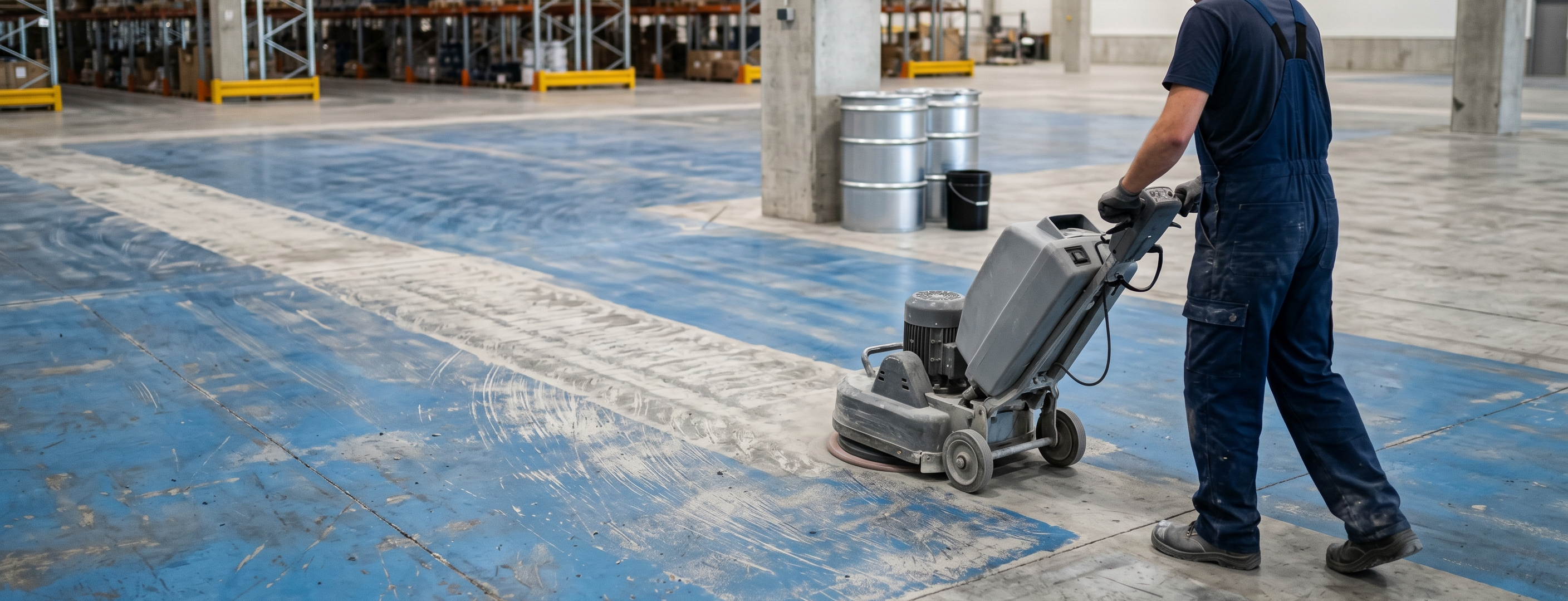
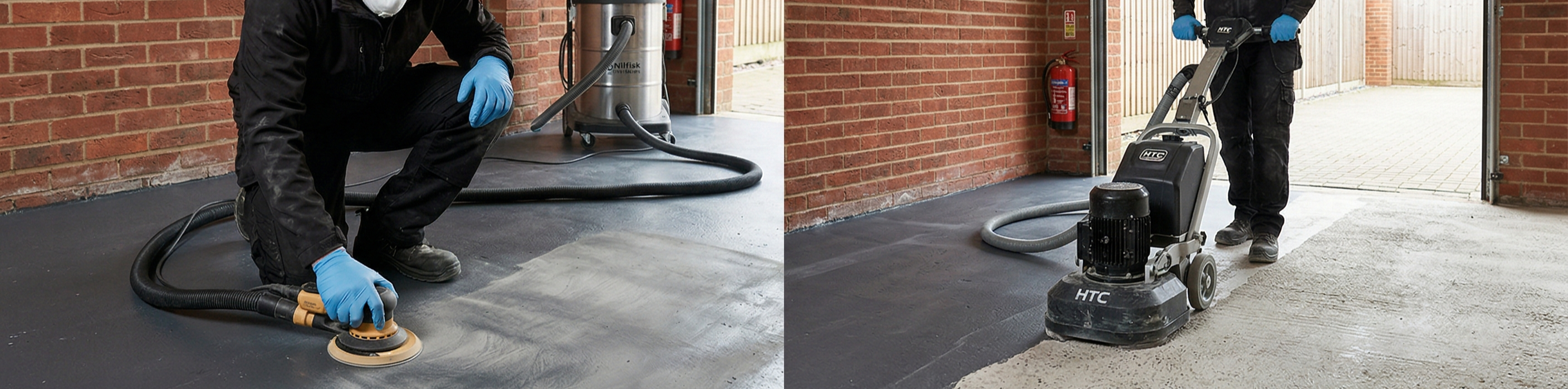
Comparing orbital sanding and diamond grinding to prepare a previously painted concrete floor in the UK.

Sanding vs. Grinding: Preparing Previously Painted Concrete

When you are faced with a floor that is already painted, you have a critical decision to make. Do you rough it up and paint over it? Or do you strip it back to the bare concrete and start fresh?...

Read more

Pouring a professional self-leveling compound onto an uneven concrete garage floor in the UK.

Restoring Uneven Floors with Self-Levelling Compounds

There is a hard rule in the flooring industry: High-gloss paint shows everything. If your garage floor is pitted, wavy, or rough like a moonscape, applying a shiny Epoxy Floor Paint will not hide those imperfections. It will highlight them. The...

Read more

Professional diamond grinding of a smooth power-floated concrete floor to create a mechanical key for painting.

Mechanical Keying: Preparing Power-Floated Concrete

You walk into a newly built warehouse or a high-spec garage. The concrete floor is stunning. It is polished, dark grey, and so smooth it shines like glass. You think: "This will be easy to paint. It’s already flat." Stop....

Read more

Identifying dusting concrete on a UK garage floor by checking for white chalky residue on fingertips.

Dealing with "Dusting" Concrete: Hardening Weak Surfaces

You sweep your garage floor on Saturday morning. By Sunday afternoon, there is a fine layer of white grit covering your car again. You blame the wind, or dirt tracking in from outside. But if you look closely, that grit...

Read more

Professional application of concrete patch filler to a floor crack using a stainless steel putty knife.

Repairing Cracks & Pits: Concrete Patching Guide

Paint is a coating, not a filler. This is the hardest lesson for DIYers to learn. If you apply a shiny new Epoxy Floor Paint over a crack, the paint will sink into it. Within a week, that crack will...

Read more

A fully prepped and patched concrete garage floor ready for epoxy coating application.

The Ultimate DIY Garage Floor Prep Guide: Cleaning, Patching, and Profiling

We see the same story every spring. A homeowner spends their weekend painting the garage, it looks fantastic for a month, and then - snap - the hot tyres of the family car rip the paint right off the concrete....

Read more

The Moisture Test: How to Check Your Garage Floor for Damp

The Moisture Test: How to Check Your Garage Floor for Damp

Here is a fact that paint manufacturers hate to admit: You can buy the best epoxy in the world, apply it perfectly, and it can still fail within a month. Why? Because of water you can’t even see. If your...

Read more

What is Laitance? Why You Must Remove the Surface Chalk

What is Laitance? Why You Must Remove the Surface Chalk

If you have just poured a new concrete floor, it probably looks perfect. It’s smooth, light grey, and feels like glass to the touch.  Unfortunately, that smooth surface is not concrete. It is laitance. And if you paint directly over...

Read more

How to Clean Oil-Contaminated Concrete for Floor Paint
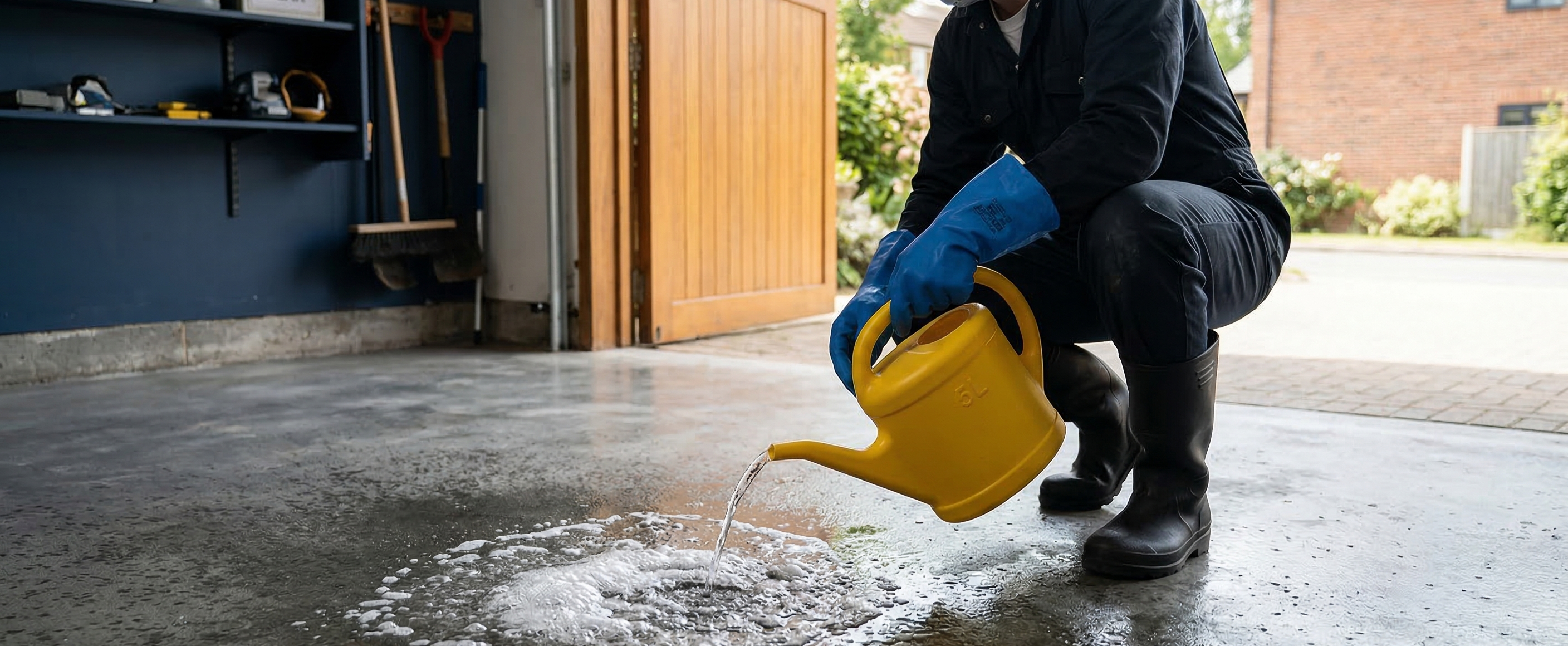
How to Clean Oil-Contaminated Concrete for Floor Paint

Oil stains are the enemy of floor paint. If you apply a resin coating over even a microscopic layer of grease, you are guaranteed adhesion failure. The resin cannot bond to the concrete; it sits on top of the oil,...

Read more

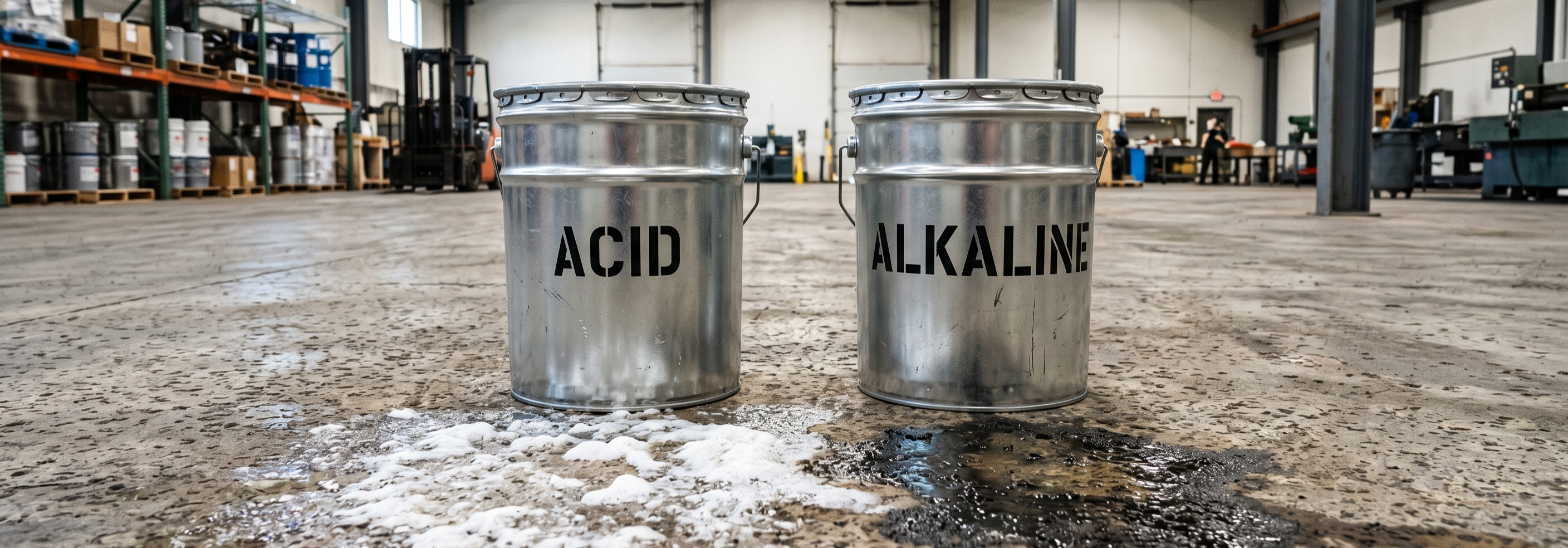
Applying an acid etching solution to a concrete garage floor using proper safety equipment.

Chemical Preparation: When and How to Acid Etch Concrete Safely

You have bought a High-Performance Epoxy Kit for your garage or an exterior concrete paint for your patio. You are ready to roll it out. Stop. Look at the concrete. Is it smooth? Is it shiny? If you paint directly...

Read more

Sanding an existing epoxy floor with an orbital sander to create a mechanical key for a new topcoat.

Recoating Epoxy: How to Prepare an Existing Floor for a Topcoat

Epoxy floors are incredibly durable, but they aren't invincible. After five or ten years of forklift traffic, even the best system will look scratched, dull, and tired. The good news? You don't need to rip it up and start from...

Read more

Painting New Concrete: How Long You Have to Wait

Painting New Concrete: How Long You Have to Wait

You have just had a new concrete floor poured in your garage or extension. It looks smooth, it looks clean, and after a few sunny days, it looks grey and dry. The temptation to paint it immediately is huge. You...

Read more

Scraping off old yellow carpet glue from a concrete garage floor using a metal floor scraper.

Removing Stubborn Carpet Glue and Tile Adhesives

You’ve done the hard part. You’ve ripped up the old, out-dated carpet or chipped away the retro vinyl tiles. You were hoping to crack on with painting the floor, but covering your concrete is a yellow, sticky, uneven mess of...

Read more

Residential garage floor showing peeling paint and coating damage from hot tire pickup on concrete surface

Preventing Hot Tyre Pickup and Peeling

There is a sound every car enthusiast dreads. You park your car in the garage after a long drive. You come back the next morning, put it in reverse, and hear a loud cracking sound. You get out to look,...

Read more

Side-by-side comparison of diamond ground concrete versus shot blasted concrete textures for floor coating prep

Diamond Grinding vs. Shot Blasting: Achieving the Correct Surface Profile (CSP)

If you ask any flooring contractor why a resin floor failed, they likely won't blame the paint. They will blame the prep. In our experience, over 90% of coating failures - peeling, bubbling, and delamination - are caused by poor concrete...

Read more

Comparison of industrial floor coating options in manufacturing plant with various protective coating systems

Industrial Floor Coating Systems: A Specification and Selection Guide
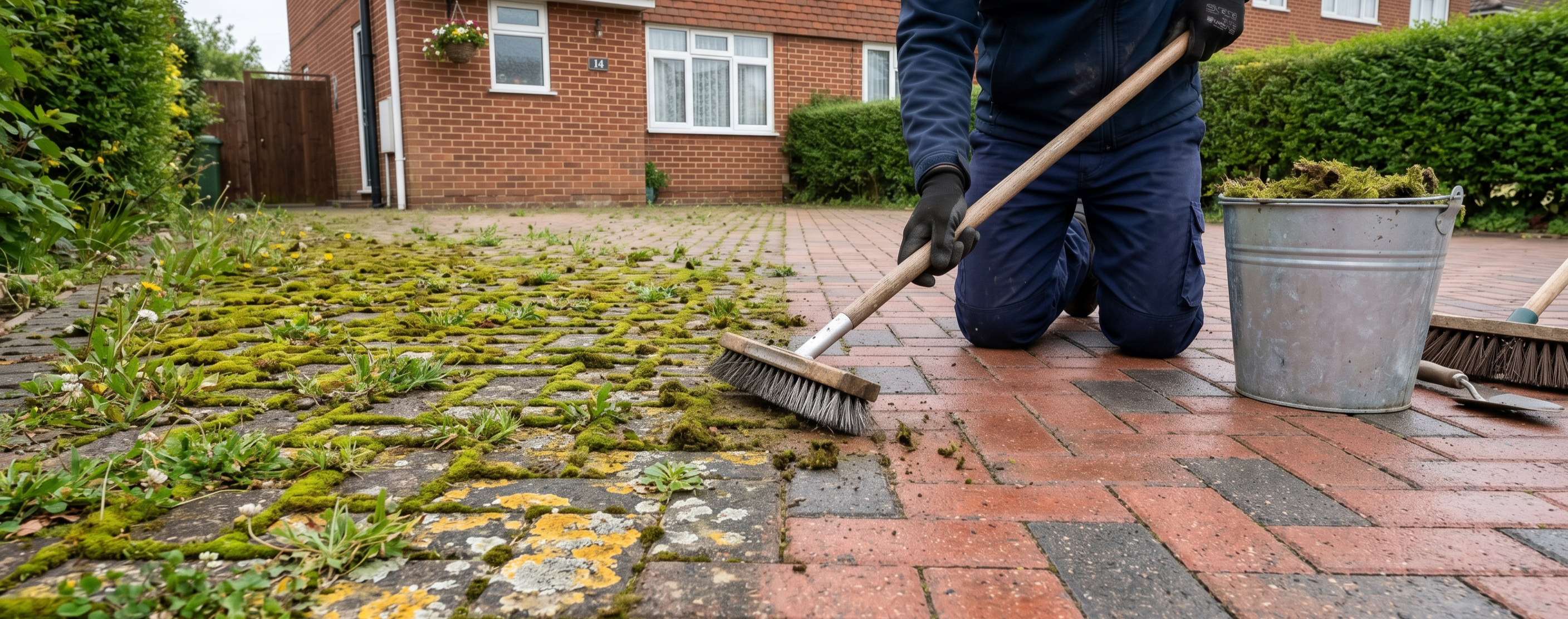
Selecting the correct protection for a commercial facility is not as simple as picking a colour. For Facility Managers and Contractors, the difference between a successful project and a costly failure often lies in understanding the technical differences between industrial floor...

Read more

Scrubbing professional-grade degreaser into a heavy oil stain on a concrete floor to prepare for painting.

Degreasing Concrete: How to Remove Oil Stains Before Painting

If you are planning to paint your garage floor or seal your driveway, that dark patch where your old car used to leak is your biggest problem. If you paint directly over an oil stain - even a dry, old...

Read more

Professional pressure washing technique on a UK Indian Sandstone patio to avoid surface damage.

Pressure Washing Dos and Don'ts: Avoiding Damage to Your Patio

Spring arrives, and the sound of pressure washers echoes across every neighbourhood in the UK. It is incredibly satisfying to blast a winter’s worth of slime off your patio and watch the original stone colour reappear. But there is a...

Read more

Comparison of black spot lichen on Indian Sandstone before and after professional chemical treatment.

Removing Black Spot Lichen: Why Pressure Washing Isn't Enough

You spent the entire Saturday with the pressure washer. You blasted every inch of your Indian Sandstone patio. The green algae is gone. The dirt is gone. The moss is gone. But the Black Spots are still there. In fact,...

Read more

Commercial warehouse floor with visible tire tracks and oil stains needing industrial degreaser

Removing Heavy Grease and Tyre Marks from Warehouse Floors

If you manage a warehouse, you know the sight: black, ugly streaks zig-zagging across your expensive Epoxy Floor Paint. Forklift tyre marks are the bane of industrial cleaning. You can mop them. You can pressure wash them. You can scrub them...

Read more

A blank bucket and pressure washer wand on a wet UK residential concrete driveway during cleaning.

Surface Preparation: Pressure Washing and Degreasing Before Sealing

You have bought the expensive high-solids sealer. You have checked the weather forecast. You are ready to protect your driveway. But if you rush the cleaning stage, you are wasting your money. Sealing a dirty floor is like putting a...

Read more

A blank cleaning tub and scrubbing brush positioned on a dark asphalt driveway with a visible oil stain.

Oil Stain Management: Cleaning Asphalt Without Dissolving the Binder

You spot a rainbow-coloured puddle under your car. You move the vehicle and see a black, shiny patch of engine oil on your tarmac driveway. Your instinct is to grab the strongest chemical you have - Paint Thinner, Petrol, or...

Read more

Block paving that has been half cleaned while the other half has oil stains.

How to Clean Oil and Rust Stains on Block Paving

You are about to seal your block paving driveway. You have the pressure washer out. You have the roller ready. But there, right in the middle of your parking spot, is a dark black oil patch from the old car....

Read more

Stabilising a fretting tarmac driveway in the UK by applying a professional black bitumen restorer.

Stopping Surface Fretting: How to Stabilise Loose Stones on Old Tarmac

You pull the car onto the drive. You get out. You walk into the hallway. Crunch, crunch, crunch. You look at the soles of your shoes, and they are embedded with tiny black stones. Your driveway is disintegrating. This is...

Read more

Applying a professional biocide treatment to remove moss and algae from a soft tarmac driveway in the UK.

Treating Moss and Algae on Soft Tarmac Surfaces

Tarmac (Asphalt) is the perfect breeding ground for moss. Unlike concrete, which is hard and smooth, tarmac is textured and porous. It holds water like a sponge, and its rough surface provides the perfect grip for moss spores to anchor...

Read more

Fixing White Spots and Blooming: The Xylene Re-Emulsification Technique

Fixing White Spots and Blooming: The Xylene Re-Emulsification Technique

You sealed your pattern imprinted concrete or block paving. It looked fantastic for 24 hours. Then, after the first heavy rain or a cold night, you woke up to a disaster. Large patches of the driveway have turned a milky,...

Read more

Safely cleaning a limestone patio in the UK using a pH-neutral solution to avoid acid damage.

Acid Sensitivity Guide: Safe Cleaning for Limestone and Travertine

You have just laid a beautiful Black Limestone patio or a Travertine kitchen floor. There is a bit of dried cement or grout haze left on the surface. You go to the hardware store and buy a bottle labelled "Heavy...

Read more

Scrubbing away white powdery efflorescence from red clay patio pavers with a stiff brush.

Efflorescence Removal: Cleaning White Salt Stains from Pavers

You have just invested thousands in a new driveway or patio. It looked dark, rich, and pristine when it was laid. Two weeks later, it looks terrible. Large patches of the surface have turned a chalky, milky white. It looks...

Read more

Immaculate herringbone block paving driveway with stabilized joint sand in front of a UK house.

How to Stabilise Joint Sand: Stop Weeds & Ants

You spent the weekend power washing your driveway. You scraped out the moss, re-sanded the joints, and it looked brand new. Three weeks later, you see it: a tiny volcano of sand in the middle of a paver. Ants. Next...

Read more

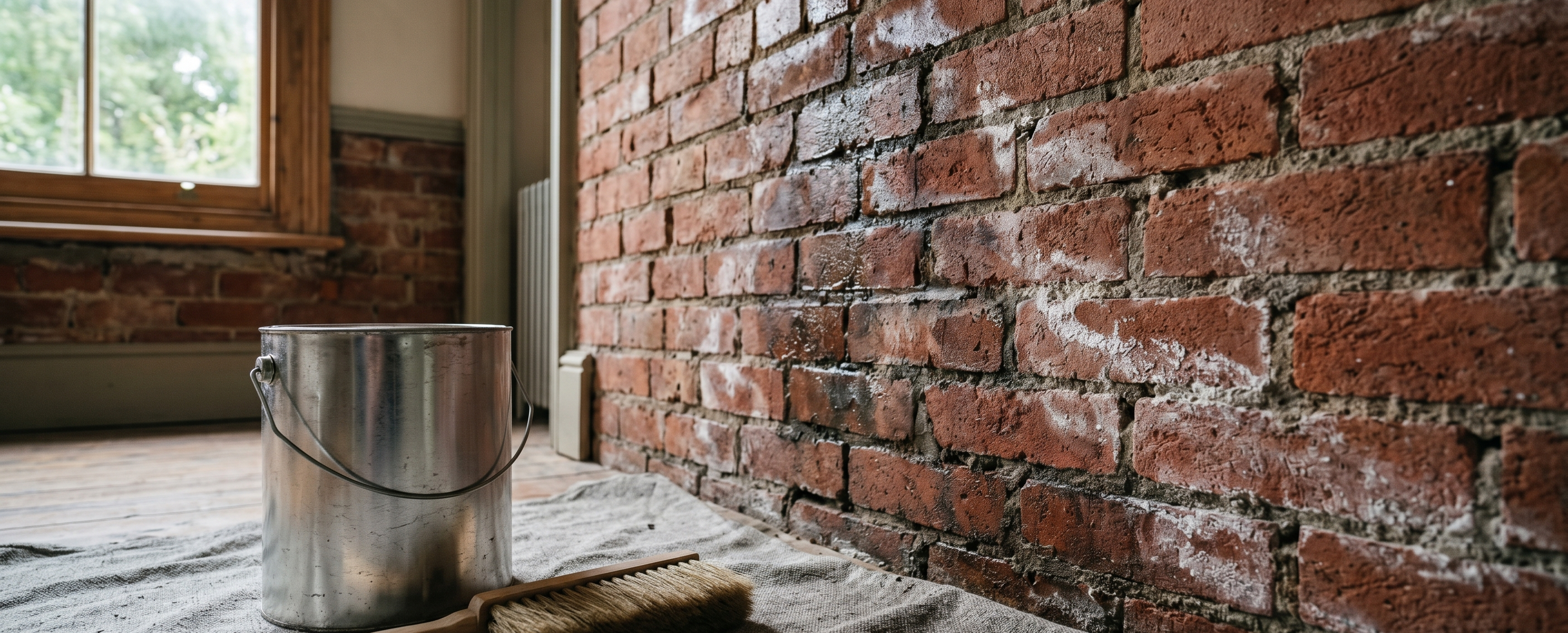
Applying invisible clear water repellent to interior brickwork to prevent penetrating moisture.

Stopping Penetrating Damp: Clear Water Repellents Explained

You have damp patches on your internal walls. They aren't near the floor (Rising Damp), and they aren't near the ceiling (Leaking Roof). They are floating in the middle of the wall, usually appearing darker after heavy rain. This is...

Read more

A pristine, freshly painted anthracite gray engineering block wall showing a flawless finish.

How to Properly Prime Engineering Blocks for Painting, Low-Suction Surfaces

You are painting the exterior of a property. You roll the masonry paint onto the main red brick walls, and it sticks perfectly. Then you get to the "DPC" (Damp Proof Course) - those bottom three rows of dark, shiny...

Read more

A close-up of a textured Tyrolean wall showing a stark contrast between a dirty section and a freshly cleaned section.

Safe Cleaning Methods for Fragile Render

You look at your house walls. They are covered in green algae, red streaks, or black lichen spots. The wall has a rough, popcorn-like texture (Tyrolean) or a fine, sandy finish (Stucco). Your first instinct is to get the pressure...

Read more

The best way to prime common exterior bricks before applying masonry paint to prevent peeling.

Priming Common Bricks for Adhesion

You see them everywhere - on garden walls, garages, and the sides of millions of UK homes. From smooth, dense engineering bricks to rough, textured facing bricks, they were built for durability, not necessarily for modern aesthetics. Naturally, many homeowners...

Read more

Repairing deep defects in UK exterior render using a professional-grade filler and a stainless steel knife.

Filling Deep Defects: Mortar Repair vs. Exterior Polyfilla

You have removed an old satellite dish, an outside light, or a rusty pipe bracket. You are left with a jagged, ugly hole in your masonry. It’s about the size of a golf ball - maybe bigger. You head to...

Read more

Repairing a section of blown render on a UK house by applying a fresh mortar patch over exposed brickwork.

Repairing Blown Render: Patching Holes Before You Paint

You are inspecting your exterior walls before painting. You see a hairline crack. You press on it, and the wall moves slightly. Or perhaps you tap it with your knuckles, and instead of a solid "thud," you hear a hollow,...

Read more

Applying a professional primer to porous exterior render to prevent paint suction and patchiness.

Priming Porous Render: How to Stop Suction & Patchy Paint

You have just finished rendering a wall, or perhaps you are painting a bare pebble dash for the first time. You apply your first coat of expensive masonry paint. It looks great while wet. But as it dries, it turns...

Read more

Performing a simple tape test on a concrete floor to check for loose dust and debris before painting.

The Tape Test: Diagnosing Unstable Masonry Before Painting

You have cleaned the wall. It looks clean. You apply the paint. It goes on beautifully. Three months later, you walk into the room (or look at the exterior of your house) and see the paint bubbling, cracking, or peeling off...

Read more

Applying a clear stabilising primer to a chalky rendered exterior wall on a UK house.

Stabilising Primers: How to Fix Chalky and Dusty Masonry

You are ready to paint the exterior of your house. You have bought the expensive masonry paint. You have the ladder ready. But when you run your hand across the wall, your palm comes away covered in white dust. Or...

Read more

Applying flexible grey filler to a hairline crack in a UK red-brick exterior wall.

Treating Hairline Cracks: Why You Need Flexible Exterior Fillers for Damaged Masonry

You spot a thin, spider-web crack running down your rendered wall. It looks minor. You grab a tub of standard powder filler or a bit of leftover cement, smear it over the crack, sand it down, and paint it. It...

Read more

Comparing traditional mortar pointing and modern brush-in jointing compounds on a UK sandstone patio.

Repointing Patio Joints: Mortar vs. Brush-In Compounds
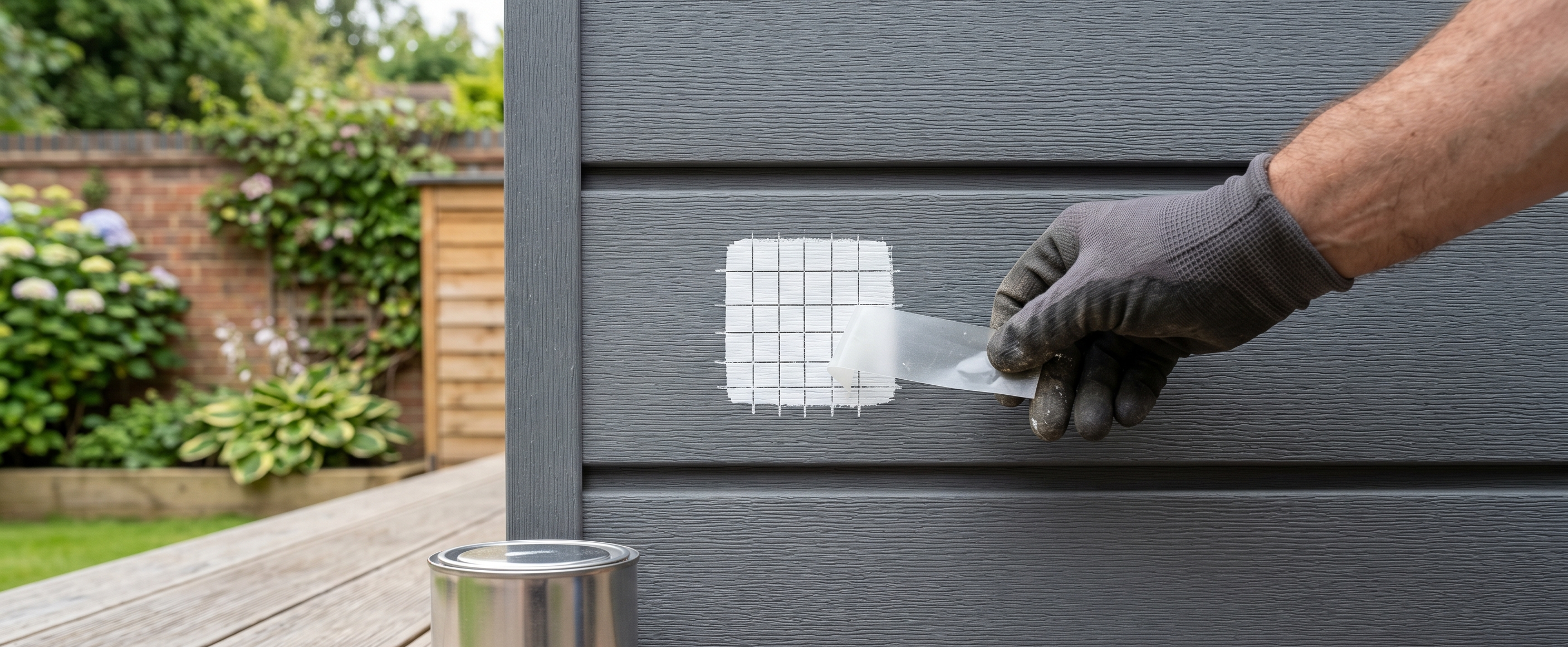
Look at your patio. The slabs are likely fine, but the stuff in between them - the pointing - is cracked, missing, or full of weeds. It ruins the look of the entire garden. You know you need to fix...

Read more

A person in a protective suit and respirator preparing to encapsulate lead paint on a metal farm building.

Encapsulating Lead Paint: Safe Prep for Old Farm Buildings
You are restoring an old barn, stable, or a wrought-iron gate. The existing paint is thick, cracked, and likely a distinctive dull orange or creamy white. Before you grab the angle grinder or the sandpaper, you need to pause. If...

Read more

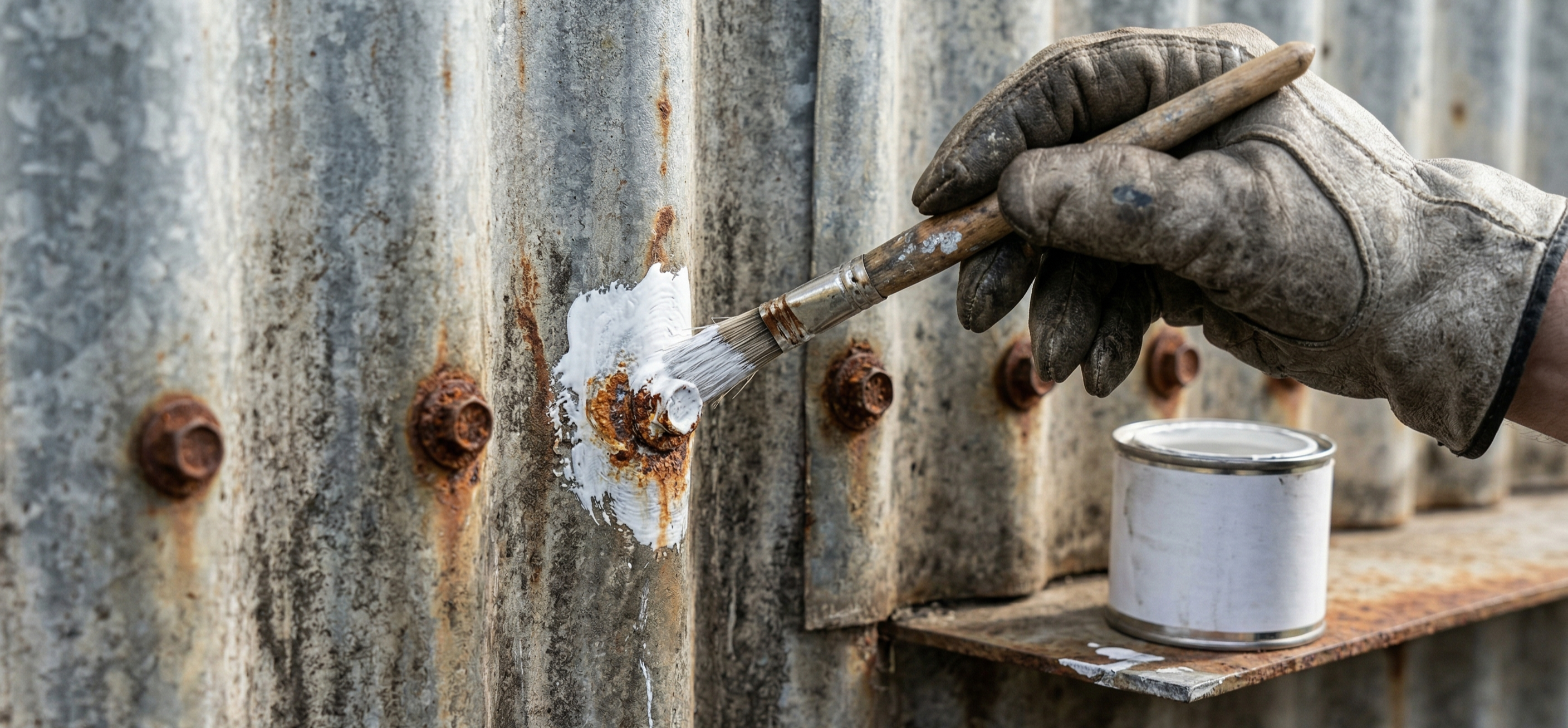
Treating corroded fasteners on warehouse walls with rust converter to prevent orange rust streaks.

Spot Priming Rust: Converting Corrosion on Screw Heads

You have just painted your metal gate, your garage door, or your corrugated shed roof. It looks pristine. Then, the first rain comes. You look closer and see it: every single screw head, bolt, and rivet has turned orange, and...

Read more

The correct pressure washing settings for industrial metal cladding preparation before painting.

How to Power Wash Metal Cladding: Pressure Settings to Avoid Damage
You look at your industrial unit. It is covered in green algae, traffic film, and grime. You rent a heavy-duty diesel pressure washer. You aim the lance at the wall and squeeze the trigger. The dirt vanishes instantly. But ten...

Read more

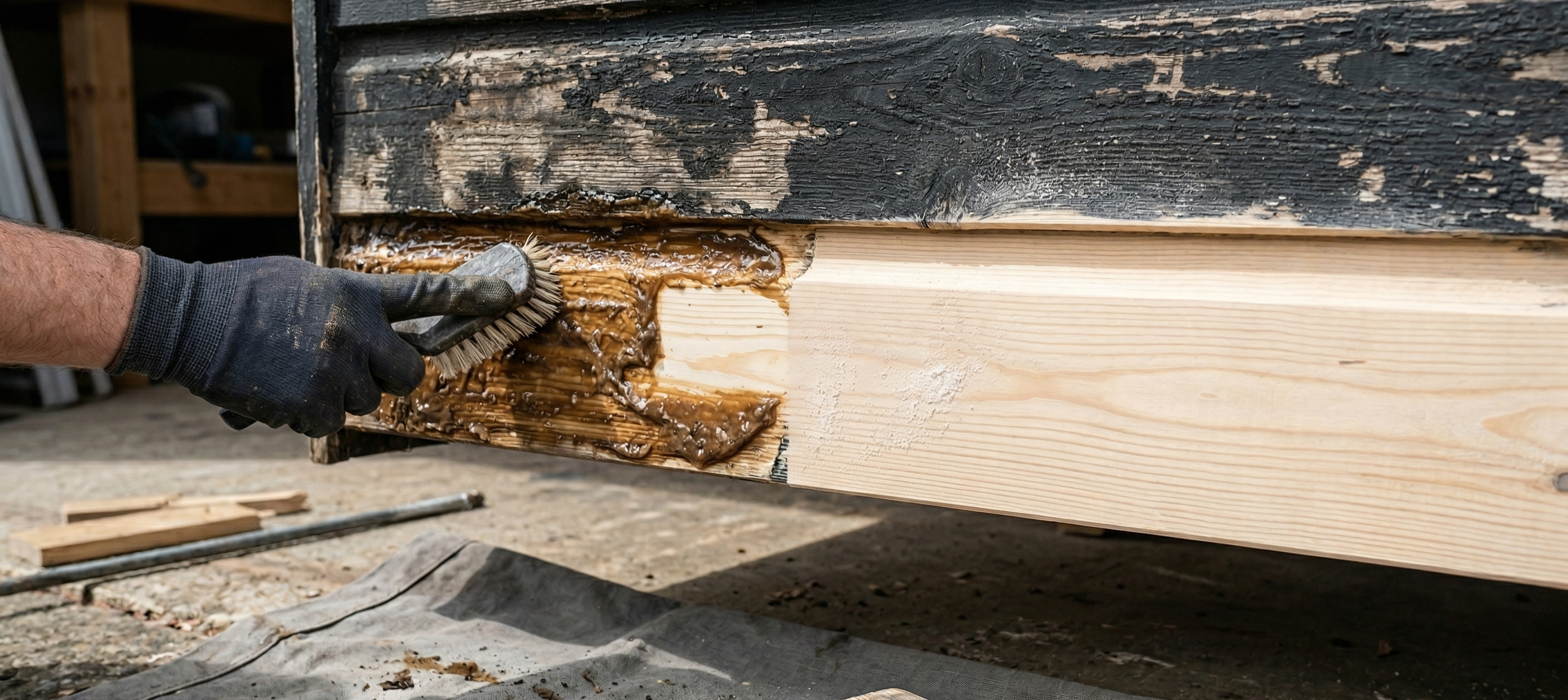
Stripping Wood Stains and Oils: When to Sand vs. When to Scrub

Stripping Wood Stains and Oils: When to Sand vs. When to Scrub

You look at your garden decking or your wooden cladding. It looks terrible. Maybe it is black and sticky because you applied too many coats of oil over the years. Maybe it is peeling and flaking because the old stain...

Read more

Priming Porous Roof Tiles: Stopping the "Sponge Effect"

Priming Porous Roof Tiles: Stopping the "Sponge Effect"

You look up at your roof. The tiles are 30 years old. They used to be a sharp terracotta red or a slate grey, but now they are a dull, mossy concrete colour. You decide to restore them. You pressure...

Read more

No guides found matching your search.

Try a different keyword.

The Complete Technical Library

Browse Guides By Surface

Floor polisher on a concrete floor with dust being generated

Concrete Floor Preparation

The foundational guides: how to test moisture levels, assess porosity, and deal with power-floated or new concrete.

View Concrete Guides

Person pouring liquid from a funnel onto a foamy substance on a concrete surface

Cleaning & Degreasing

How to neutralise industrial grease, remove stubborn oil stains, and strip old floor polish before you paint.

View Cleaning Guides

Before and after comparison of a stone patio surface.

Driveways & Patios Preparation

Preparation guides for sealing block paving, imprinted concrete, tarmac, and natural stone surfaces.

View Driveway Guides

Hand with flour on a light stone wall background

Masonry & Walls Preparation

How to stabilise chalky render, treat damp patches, and prepare brickwork for masonry paint.

View Masonry Guides

Before and after comparison of a house exterior with green moss on left and clean surface on right.

Cladding Preparation

Preparation methods for Plastisol, powder-coated metal, and restoring faded industrial sheeting.

View Cladding Guides

Close-up of a textured surface with yellow lichen on the left and a smooth gray surface on the right.

Roof Preparation

Safe moss removal, fungicidal washes, and priming guides for concrete tiles, slate, and asbestos.

View Roof Prep Guides

Technical Updates & Site Reports

Fresh from the Preparation Lab

We don't just sell coatings; we test them. Read our latest method statements, seasonal maintenance tips, and deep-dive restoration guides.

A person in a protective suit and respirator preparing to encapsulate lead paint on a metal farm building.

Encapsulating Lead Paint: Safe Prep for Old Farm Buildings

You are restoring an old barn, stable, or a wrought-iron gate. The existing paint is thick, cracked, and likely a distinctive dull orange or creamy white. Before you grab the angle grinder or the sandpaper, you need to pause. If...

Read more

Treating corroded fasteners on warehouse walls with rust converter to prevent orange rust streaks.

Spot Priming Rust: Converting Corrosion on Screw Heads

You have just painted your metal gate, your garage door, or your corrugated shed roof. It looks pristine. Then, the first rain comes. You look closer and see it: every single screw head, bolt, and rivet has turned orange, and...

Read more

The correct pressure washing settings for industrial metal cladding preparation before painting.

How to Power Wash Metal Cladding: Pressure Settings to Avoid Damage

You look at your industrial unit. It is covered in green algae, traffic film, and grime. You rent a heavy-duty diesel pressure washer. You aim the lance at the wall and squeeze the trigger. The dirt vanishes instantly. But ten...

Read more

Stripping Wood Stains and Oils: When to Sand vs. When to Scrub

Stripping Wood Stains and Oils: When to Sand vs. When to Scrub

You look at your garden decking or your wooden cladding. It looks terrible. Maybe it is black and sticky because you applied too many coats of oil over the years. Maybe it is peeling and flaking because the old stain...

Read more

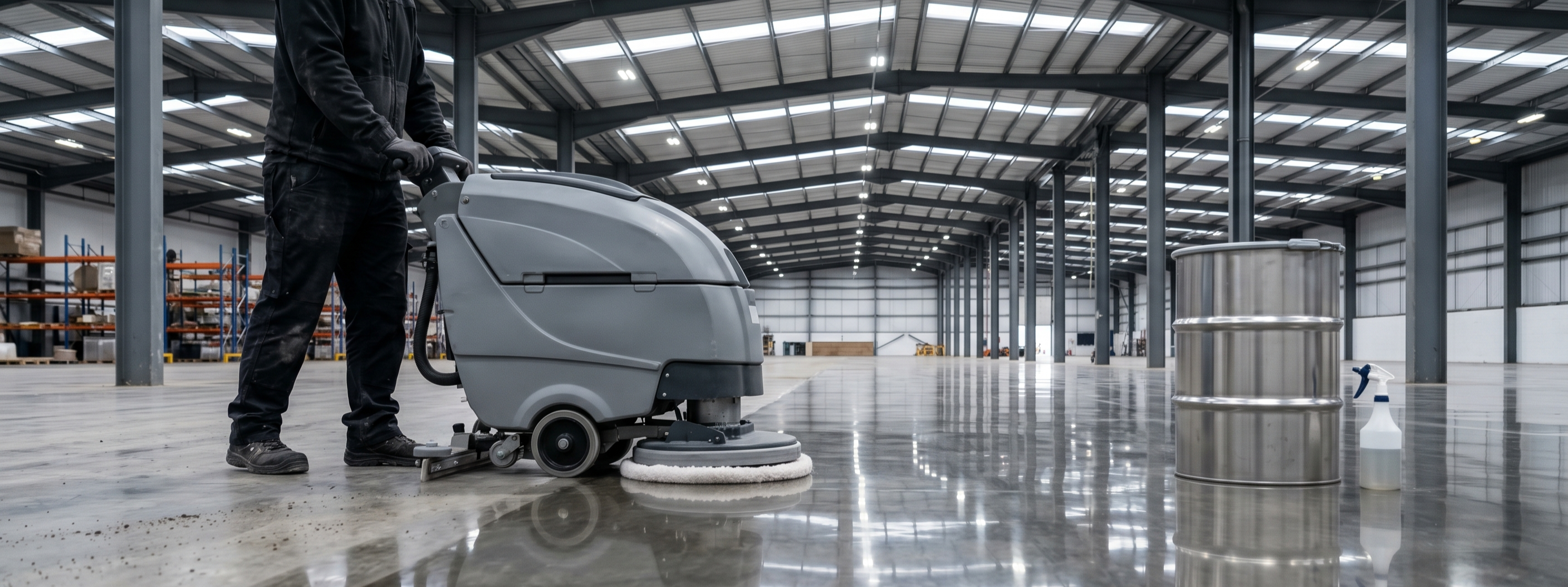
Polished concrete floor in a large industrial warehouse.

Why Preparation is More Important Than Paint

We see it every day: a high-quality, expensive industrial coating fails within months. It peels, blisters, or delaminates. Why? Because the surface wasn't ready.

Whether it is invisible "laitance" on a new power-floated concrete floor preventing adhesion, microscopic moss spores on a roof tile, or oil deeply ingrained into a driveway—if the substrate isn't sound, dry, and clean, the paint has nothing to stick to.

Our Surface Preparation Hub is designed to give you professional, trade-level advice on how to prepare any substrate. Don't guess. Follow the method statements, use the right primers, and ensure your coating lasts for years, not months.

Laboratory setting with scientific equipment and a computer displaying test results.

The Help & Technical Hub

Our coatings are backed by more than just performance — they’re supported by clear documentation, practical guides, and real technical support.

The Help & Technical Hub brings together preparation guides, application advice, FAQs, SDS & TDS downloads, and system recommendations to help you choose, apply, and maintain the right coating with confidence.

Visit the Help & Technical Hub Contact Technical Support