Made In Great Britain

Direct from our factory

Free Next Day Delivery

On orders over £750

Product Test Results

All test results published

Expert Technical Advice

Call or chat with our team

Sold Out
EverFlor - UniSeal - Concrete Sealer - Wetlook - Everest Paints
Brand:EverFlor

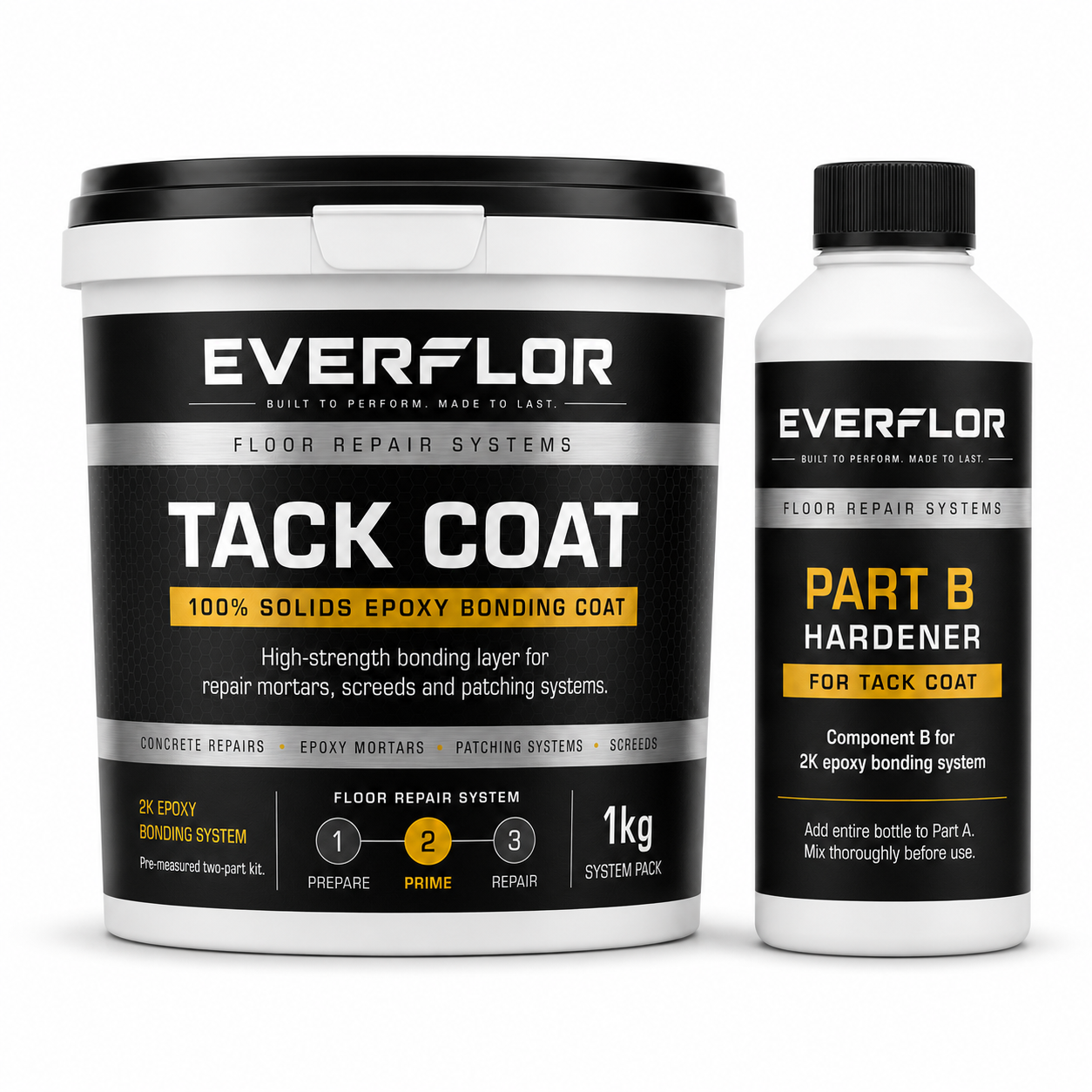
EverFlor - Tack Coat

From €51,95
Sold Out
EverFlor - UniSeal - Concrete Sealer - Wetlook - Everest Paints
Sold Out
EverFlor - UniSeal - Concrete Sealer - Wetlook - Everest Paints
Sold Out
EverFlor - UniSeal - Concrete Sealer - Wetlook - Everest Paints
Polished concrete floor with a smooth finish

Preparing Warehouse Floors?

Specify an Industrial Floor Coating System

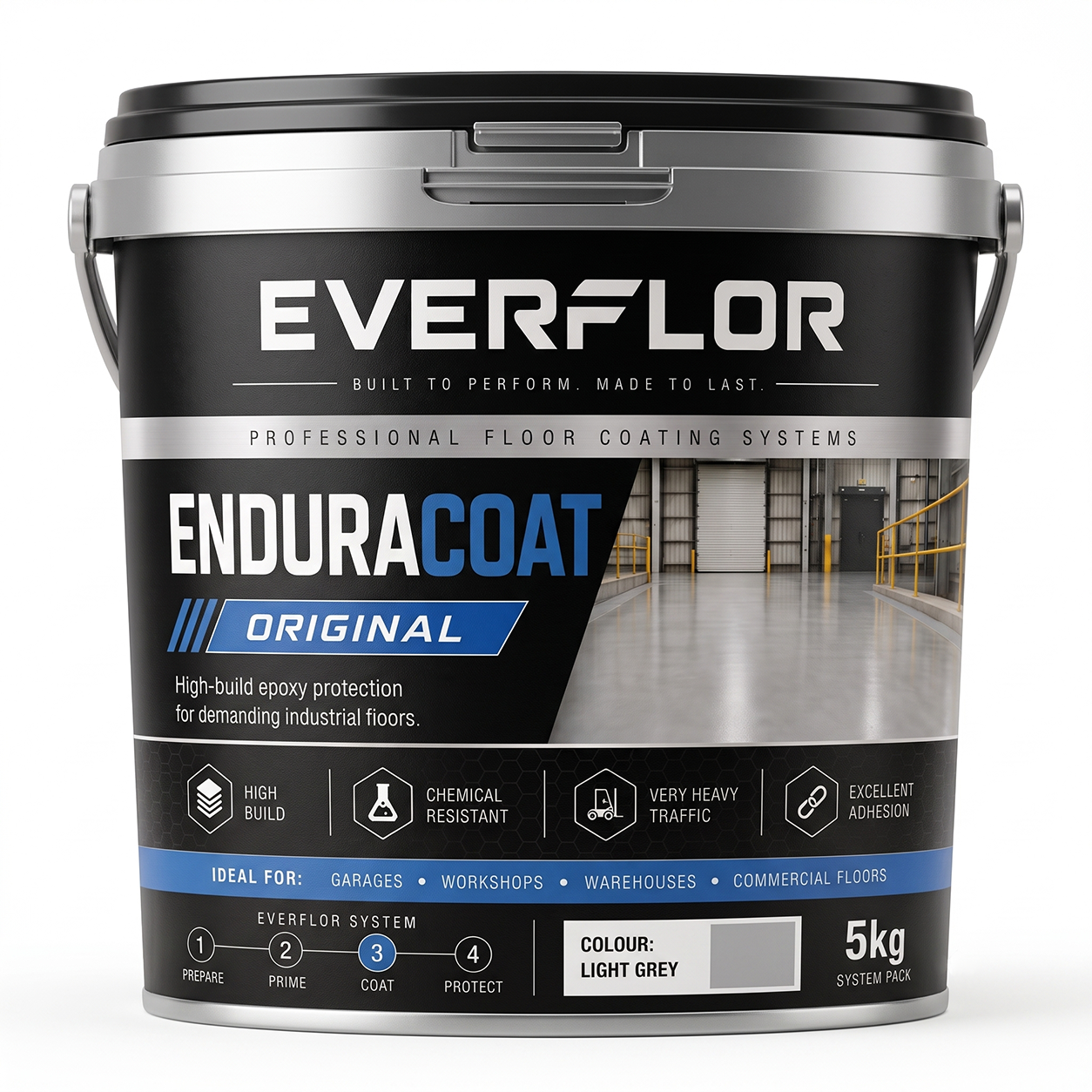
General building coatings do not provide the durability required for traffic areas. For warehouse floors and loading zones, apply an industrial floor coating system such as EnduraCoat.

View Floor Coating Systems
Sold Out
EverFlor - UniSeal - Concrete Sealer - Wetlook - Everest Paints
Brand:EverFlor

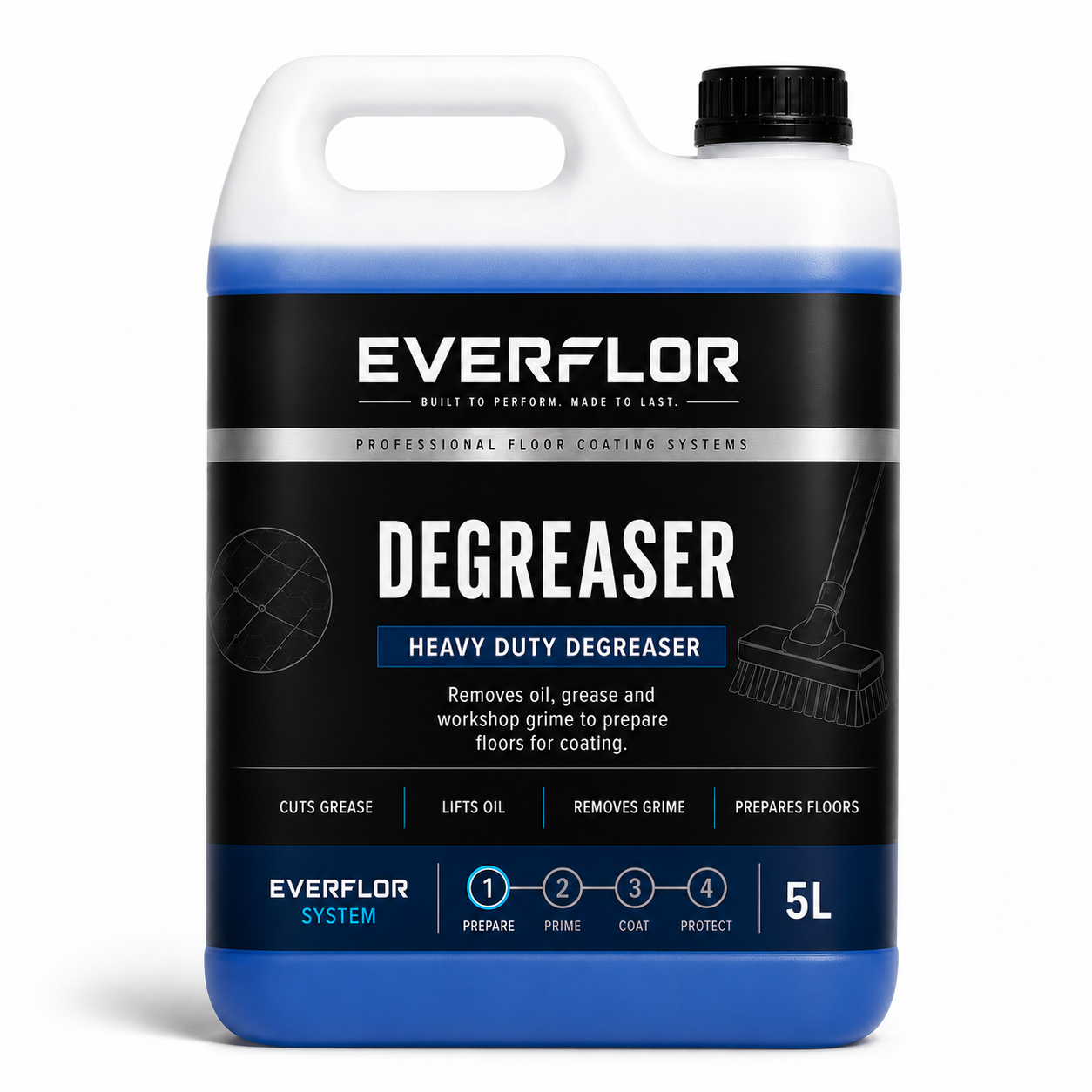
EverFlor - Degreaser

From €55,95

Concrete and Asphalt Surface Repair and Preparation Systems

Duty classification:
Light to Heavy Duty
Suitable substrates:
Concrete Asphalt

System Overview

For concrete and asphalt floors used in industrial and circulation environments, repair and preparation systems restore damaged substrates and prepare surfaces for subsequent floor coatings or marking systems. These materials are used to repair worn, cracked, or degraded areas before applying protective coatings, ensuring the finished system adheres correctly and performs reliably.

Floors in warehouses, factories, car parks, and service yards are often subjected to mechanical wear, impact damage, and environmental exposure. Over time, this can lead to surface defects such as cracks, spalling, or localised deterioration. Repair products help restore surface continuity and stabilise the substrate before coatings or line marking systems are applied.

EVEREST Everflor repair and preparation products utilise epoxy, polyurethane, and acrylic technologies depending on the required performance and installation conditions. These systems bond strongly to prepared mineral substrates and allow damaged areas to be rebuilt or stabilised prior to the application of floor paints, safety coatings, or traffic markings.

Repair and preparation systems therefore form a critical stage within many flooring refurbishment and maintenance programmes.

Suitable Substrates & Surface Preparation

Concrete and asphalt are the most common substrates requiring repair and preparation before coating application. Surface damage can occur through heavy traffic, impact loading, freeze–thaw cycles, or gradual wear over time.

Before applying repair materials, the affected area must be cleaned thoroughly to remove dust, oil contamination, loose material, and deteriorated substrate. Mechanical preparation methods such as grinding, cutting, or abrasion are often used to remove weak concrete and create a stable base for the repair system.

Cracks, surface voids, and damaged sections should be opened or prepared to ensure the repair compound can bond effectively with the underlying material. Proper preparation improves mechanical bonding and reduces the likelihood of repair failure under traffic conditions.

Asphalt surfaces should also be stable and free from loose aggregate before repairs are applied. Areas affected by structural movement or ongoing deterioration may require more extensive resurfacing before coatings can be installed.

Preparation methods should always be matched to the repair system and the intended finishing coating.

Performance Characteristics & Limitations

Surface repair and preparation systems are designed to restore the integrity of damaged flooring substrates before protective coatings are applied. Epoxy-based repair products typically provide strong adhesion and high compressive strength when used on prepared concrete.

Polyurethane repair systems may provide improved flexibility where substrates experience minor movement or vibration. Acrylic repair materials may be used for lighter duty repairs or surface preparation tasks where rapid installation is beneficial.

These products help recreate a stable surface profile that allows floor coatings, safety paints, or line markings to adhere properly and perform as intended.

However, repair products in this category are not generally intended to function as decorative or long-term exposed coatings. Their purpose is to rebuild or stabilise the substrate rather than provide a finished wearing surface.

Where floors experience severe structural damage or extremely heavy mechanical loading, specialist structural repair mortars or resurfacing systems may be required.

Internal vs External Considerations

Repair and preparation products may be used in both interior and exterior flooring environments depending on the selected resin system and environmental conditions.

Interior environments such as factories, warehouses, and workshops often require repair systems that cure reliably within operational spaces while providing strong mechanical performance once installed.

Exterior environments including car parks, service yards, and pedestrian walkways introduce additional exposure to moisture, temperature variation, and weathering. Repair materials used outdoors must therefore maintain adhesion and structural integrity under these conditions.

Environmental conditions during installation should always be considered to ensure correct curing and bonding of the repair material.

Selection Guidance & When to Specify Alternatives

Surface repair and preparation products are typically specified before applying floor paints, line marking systems, or safety coatings where the existing substrate shows signs of wear or damage. Restoring the integrity of the floor surface ensures that the subsequent coating system performs reliably.

These systems are widely used in warehouses, industrial facilities, car parks, loading bays, and pedestrian circulation areas where flooring surfaces experience regular mechanical wear.

However, where the substrate exhibits extensive structural damage or significant surface loss, more robust resurfacing or structural repair systems may be required. Specialist repair mortars and heavy-duty resurfacing products can provide improved durability in areas subjected to continuous traffic or heavy loading.

Selecting the appropriate repair system should consider the extent of substrate damage, the expected traffic level, and compatibility with the intended floor coating or marking system.


Explore Floor Primers and Sealers

Surface Repair & Preparation FAQs

View All FAQ's

Technical Guidance & Application Advice

Surface repair and preparation systems are used to restore damaged concrete and asphalt before applying floor coatings, anti-slip systems, or line marking products. Correct diagnosis of substrate defects, removal of weak material, and preparation of a sound surface are essential to achieve reliable adhesion and long-term system performance. Epoxy, polyurethane, and acrylic repair materials each offer different curing characteristics and suitability depending on the extent of damage, traffic demands, and service environment.

When should a floor surface be repaired before applying coatings or line markings?

Repair should be carried out where the substrate shows defects such as cracks, spalling, surface erosion, potholes, weak edges, or localised breakdown. Applying coatings or line markings over unstable or damaged areas can lead to premature failure because the problem remains within the substrate rather than the coating. Repairs help restore surface integrity, create a more uniform base, and improve the performance of subsequent systems. The extent of repair required will depend on the type of damage and the operational demands of the area.

How should concrete or asphalt be prepared before using repair products?

The substrate should be clean, dry, and free from grease, dust, loose debris, and contaminated material before repair work begins. Any weak, friable, or unsound sections should be removed back to a stable edge using suitable mechanical preparation methods. On concrete, this may involve grinding, scabbling, or cutting out damaged areas. On asphalt, loose aggregate and unstable sections should be removed. Proper preparation is essential to allow the repair material to bond effectively with the substrate.

Can repaired areas be overcoated with floor paint or line marking systems?

Repaired areas are typically intended to be overcoated once they have cured sufficiently and are compatible with the selected coating system. This allows the repaired section to be integrated into the wider floor or marking application. Before overcoating, the repair should be checked for soundness, correct curing, and any surface irregularities that may affect film build or finish. Compatibility between the repair material and the chosen floor coating or line marking system should always be considered.

What types of repair materials are used for concrete and asphalt surfaces?

Repair and preparation systems may be based on epoxy, polyurethane, or acrylic technologies depending on the substrate, the defect type, and the service conditions. Epoxy repair materials are commonly used where strong adhesion and durable reinstatement are required. Polyurethane systems may be selected where some flexibility or faster return to service is beneficial. Acrylic materials can be used in lighter duty repair situations or where simpler maintenance preparation is needed. Selection should reflect both the repair depth and the expected traffic.

Why is surface preparation important before applying anti-slip or line marking coatings?

Anti-slip and line marking systems rely on direct adhesion to a stable substrate. If the underlying concrete or asphalt is weak, contaminated, or damaged, the coating may fail regardless of the quality of the topcoat. Surface preparation removes contaminants, creates a sound base, and ensures repairs are completed before the safety or marking system is applied. This is particularly important in areas such as walkways, loading bays, and service yards where visibility and durability are operational requirements.

Are these repair systems suitable for heavy traffic areas?

Many repair systems are used in areas exposed to pedestrian traffic, pallet trucks, and vehicle movement, but suitability depends on the repair material selected and the condition of the substrate. Light maintenance repairs may be adequate for lower wear areas, while heavily trafficked industrial zones may require more robust repair mortars or resurfacing systems. The repair specification should reflect the level of mechanical stress expected once the area is returned to service.

Didn’t find your answer?

Don't hestitate to contact us

Expert Advice & Guides

A few of our most recent guides applicable to this product range.

View Technical Hub

This section doesn’t currently include any content. Add content to this section using the sidebar.