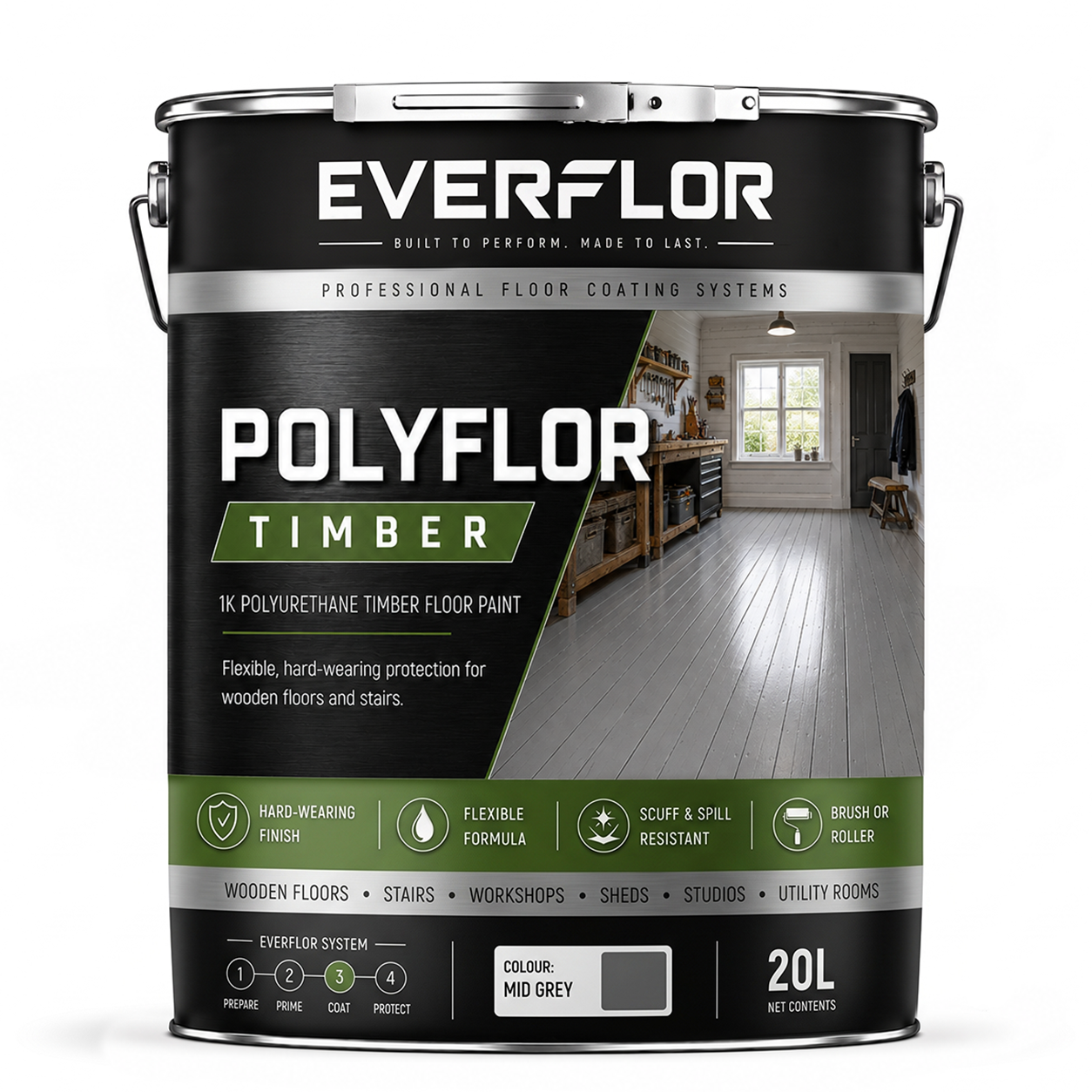
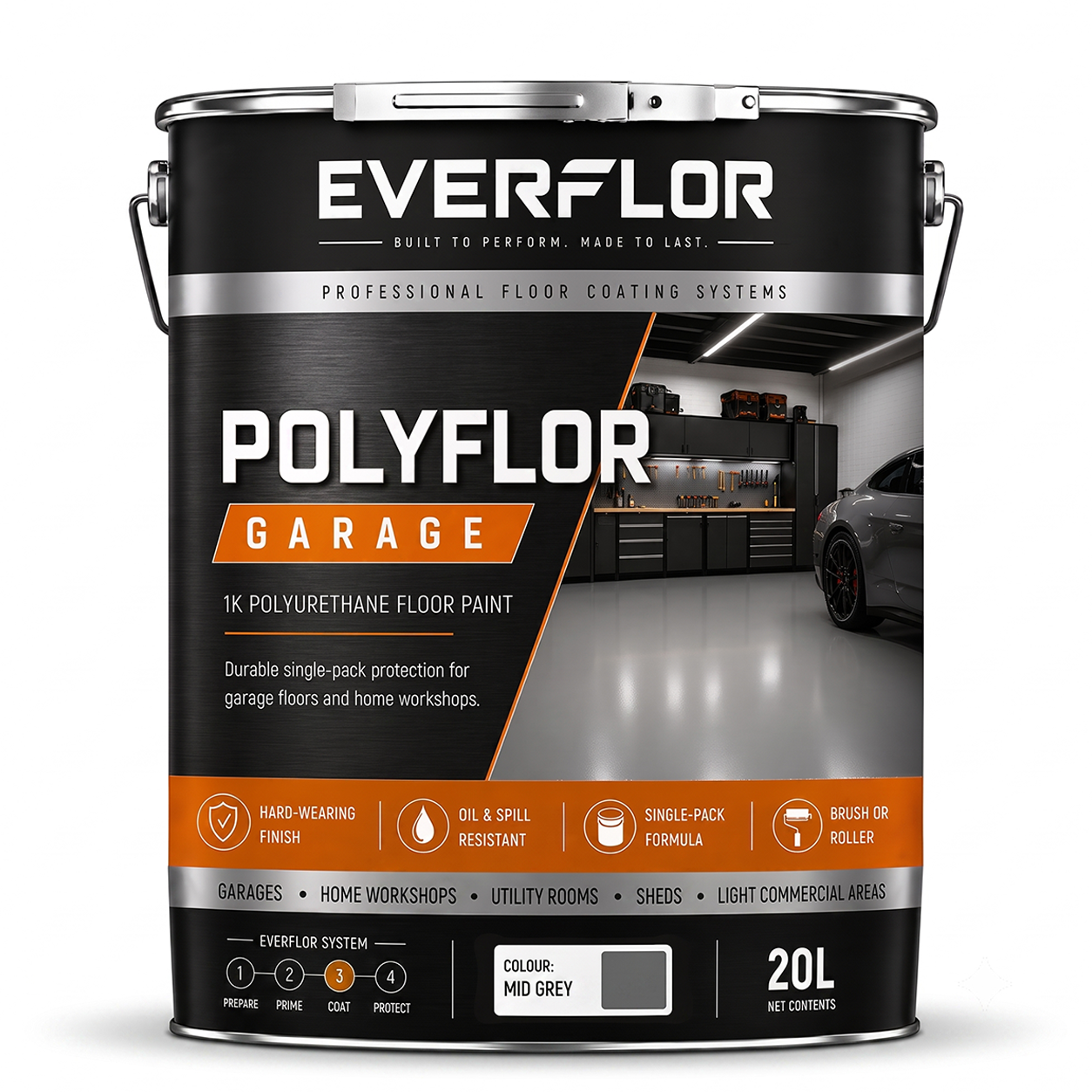
Everest Pinturas - Pintura para Suelos de Madera - A Base de Resina de Poliuretano
100% Solids Technology

220 Microns Per Coat

Internal Floors Only

Easy Application
Industrial grade coating

Solvent free, no shrinkage
Up to 5x thicker

Withstands heavy forklift traffic

Resists oil, acids, alkalis

Easy-clean surface
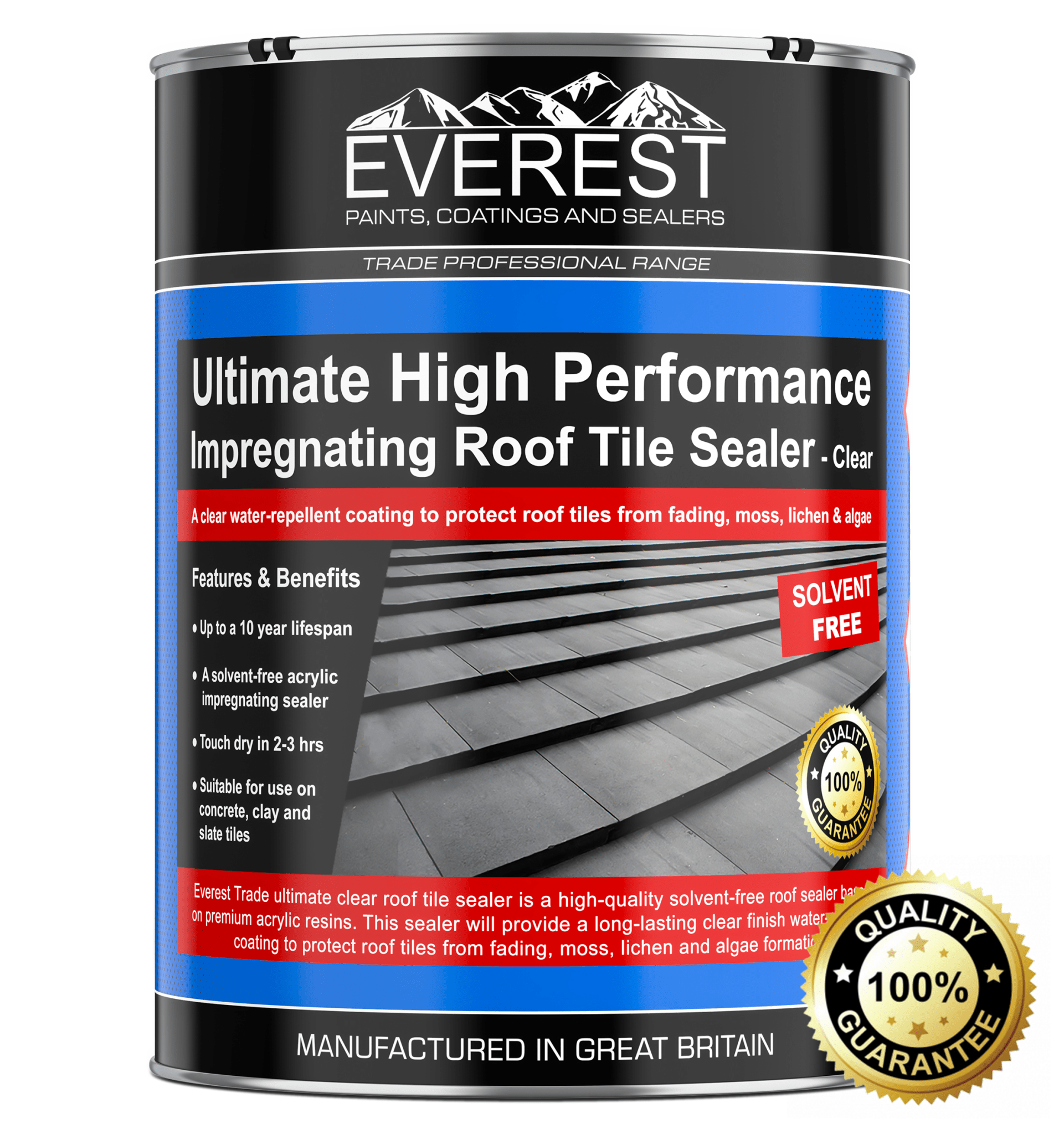
Everest Trade - Sellador Definitivo para Tejas de Techo - Transparente - Fórmula Impregnante
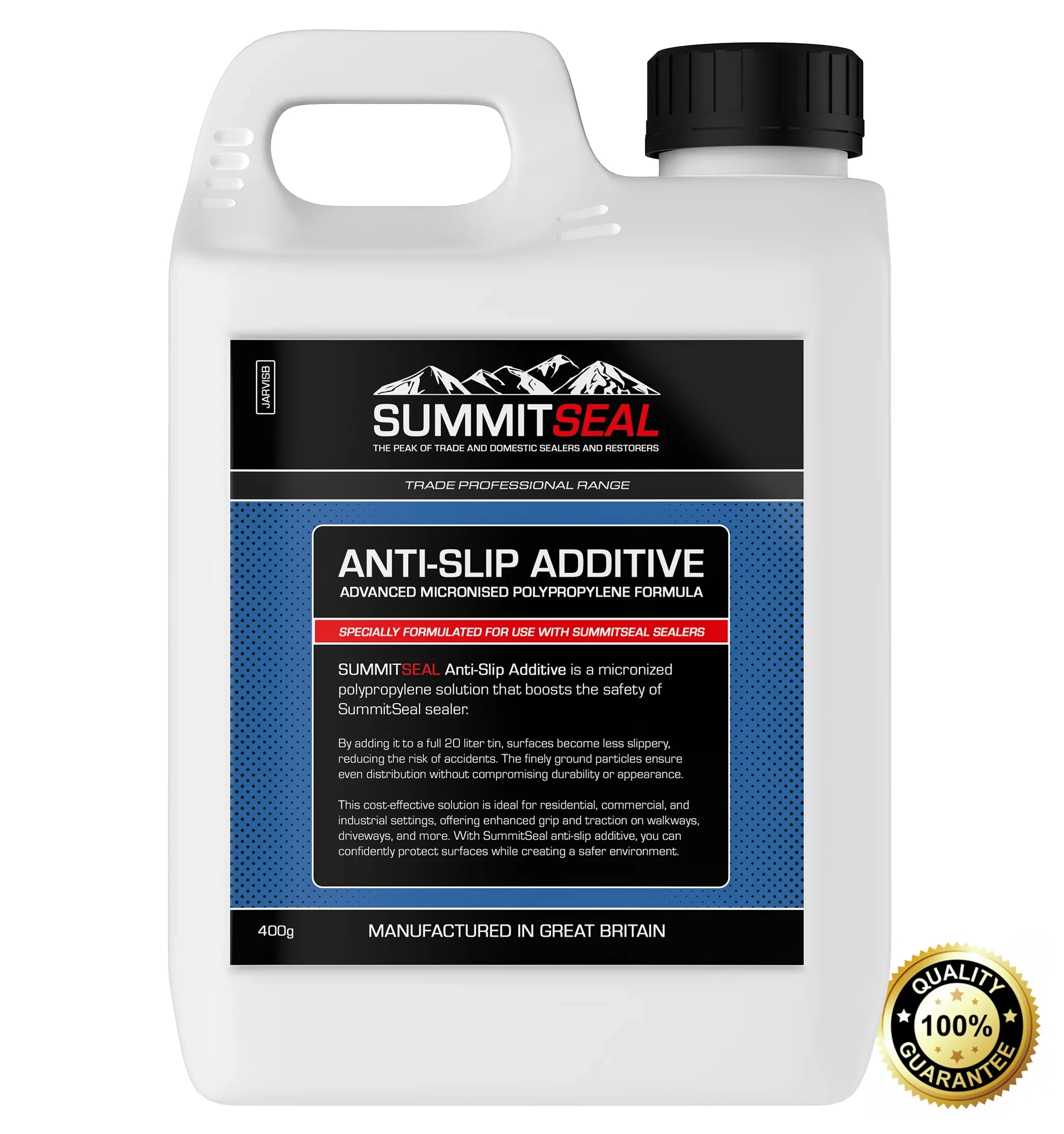
SummitSeal - Aditivo Antideslizante Para Selladores a Base de Xileno - 400g
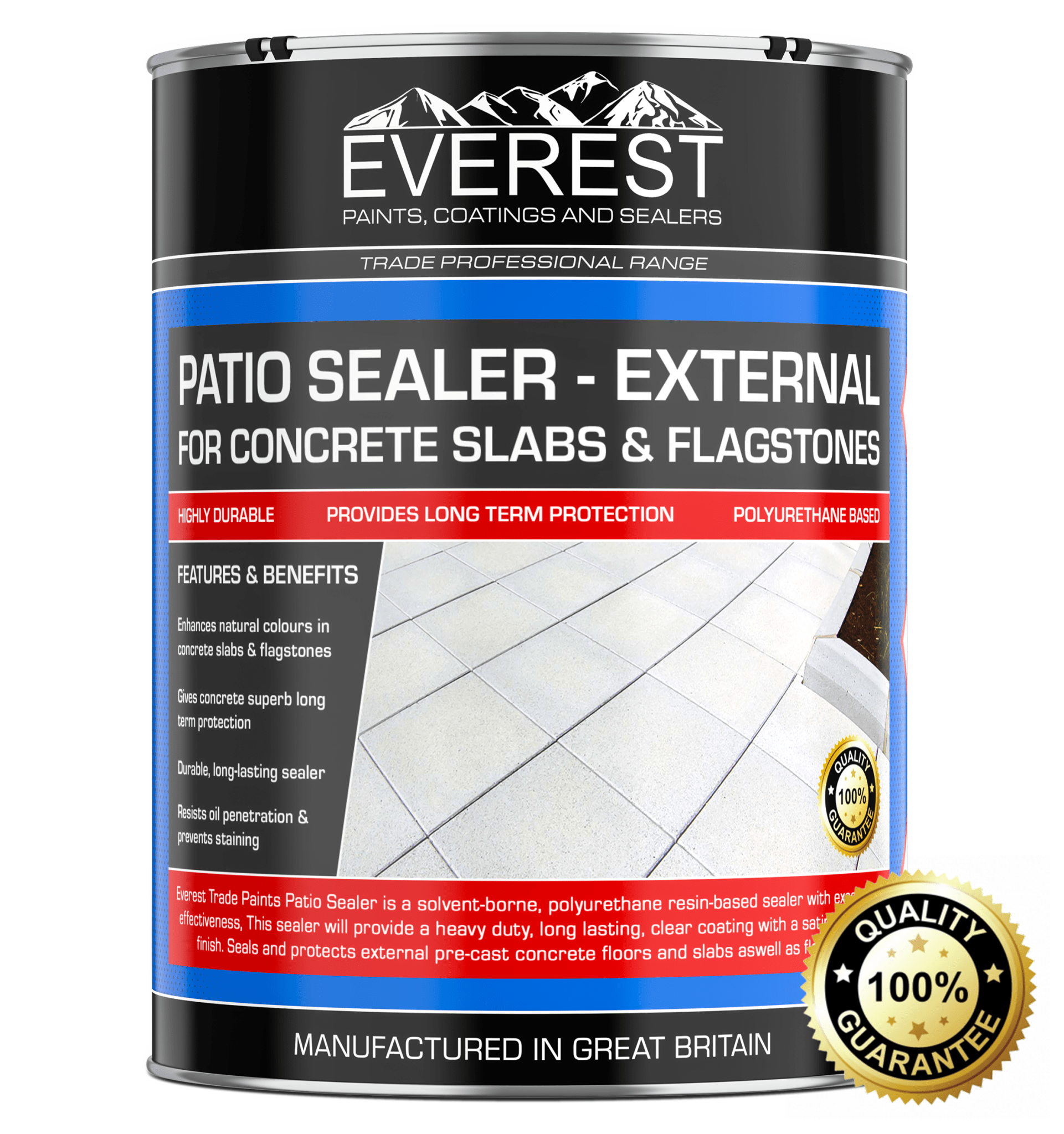
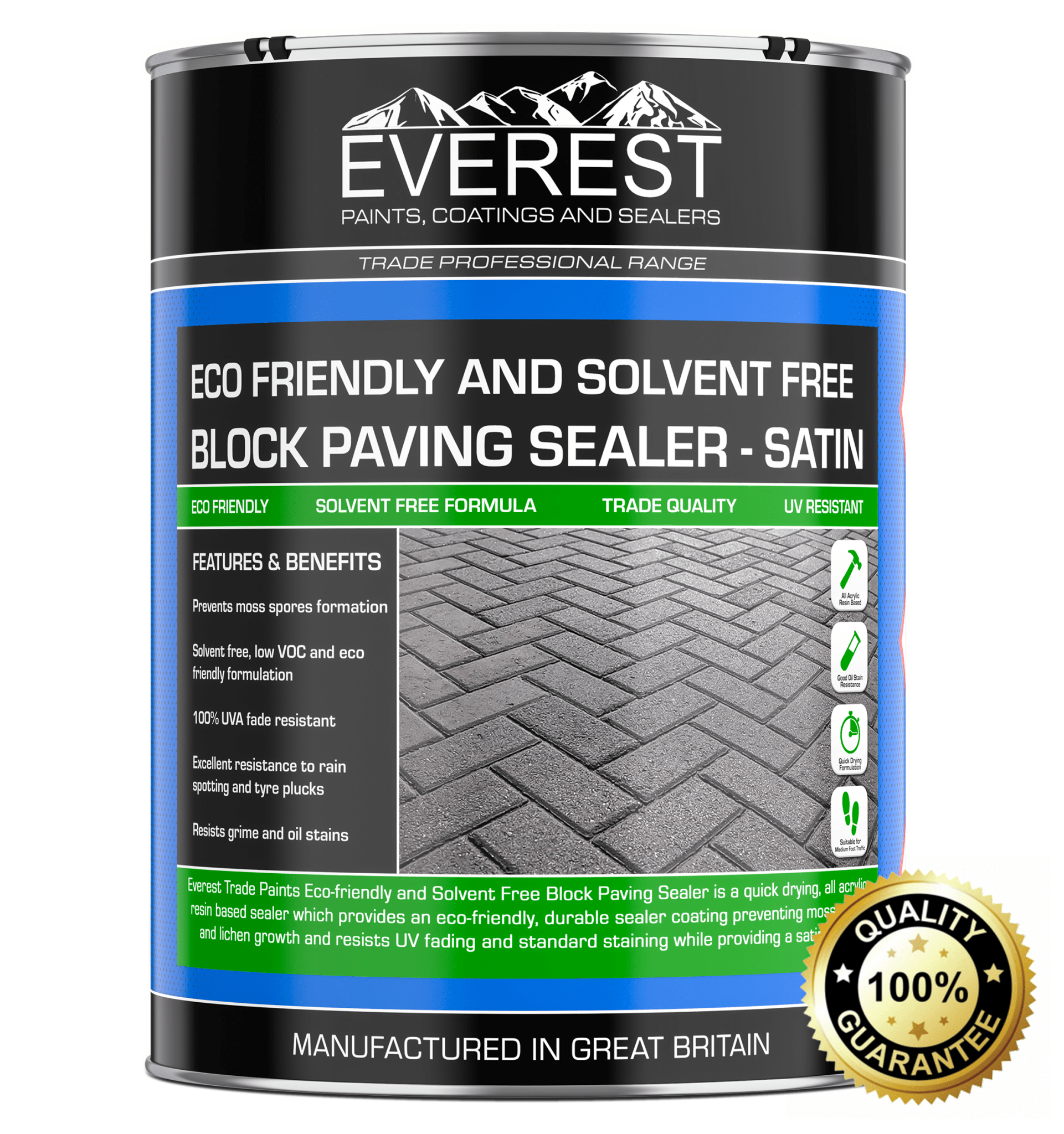
Everest Trade Paints - Sellador de Patio para Losas de Hormigón y Adoquines

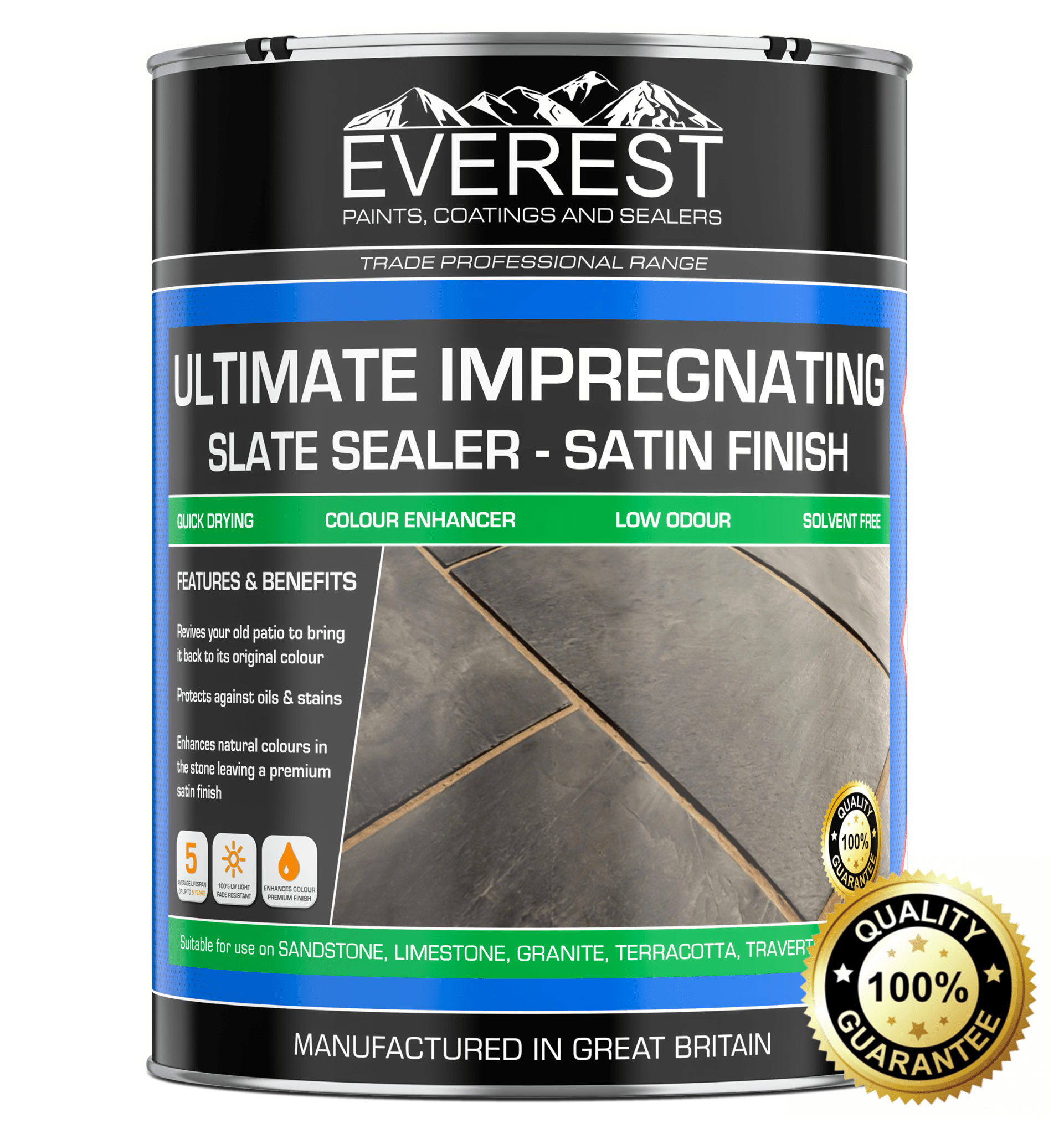
Everest Trade Paints - Sellador de Baldosas de Pizarra - Acabado Satinado - Fórmula Impregnante
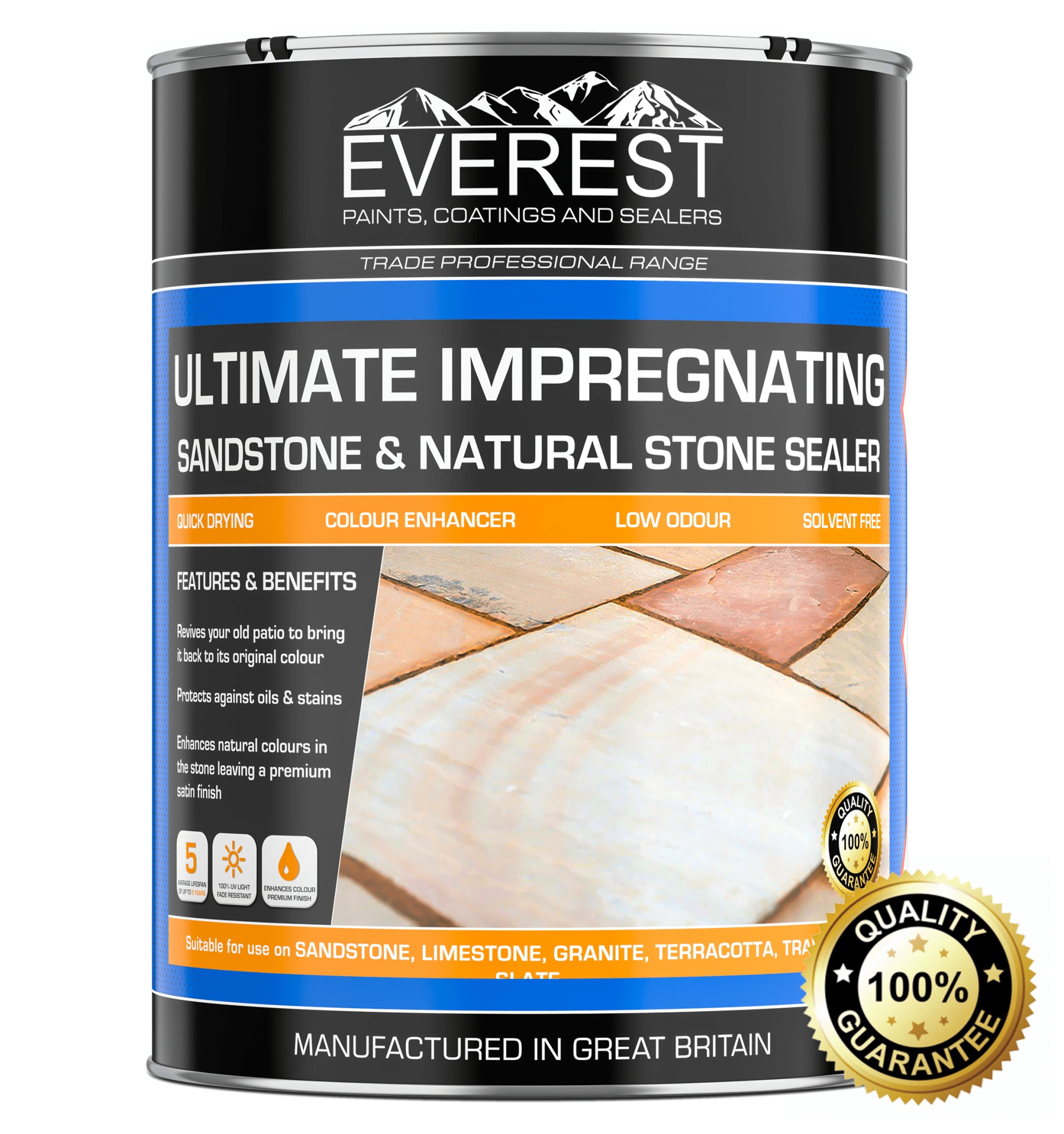
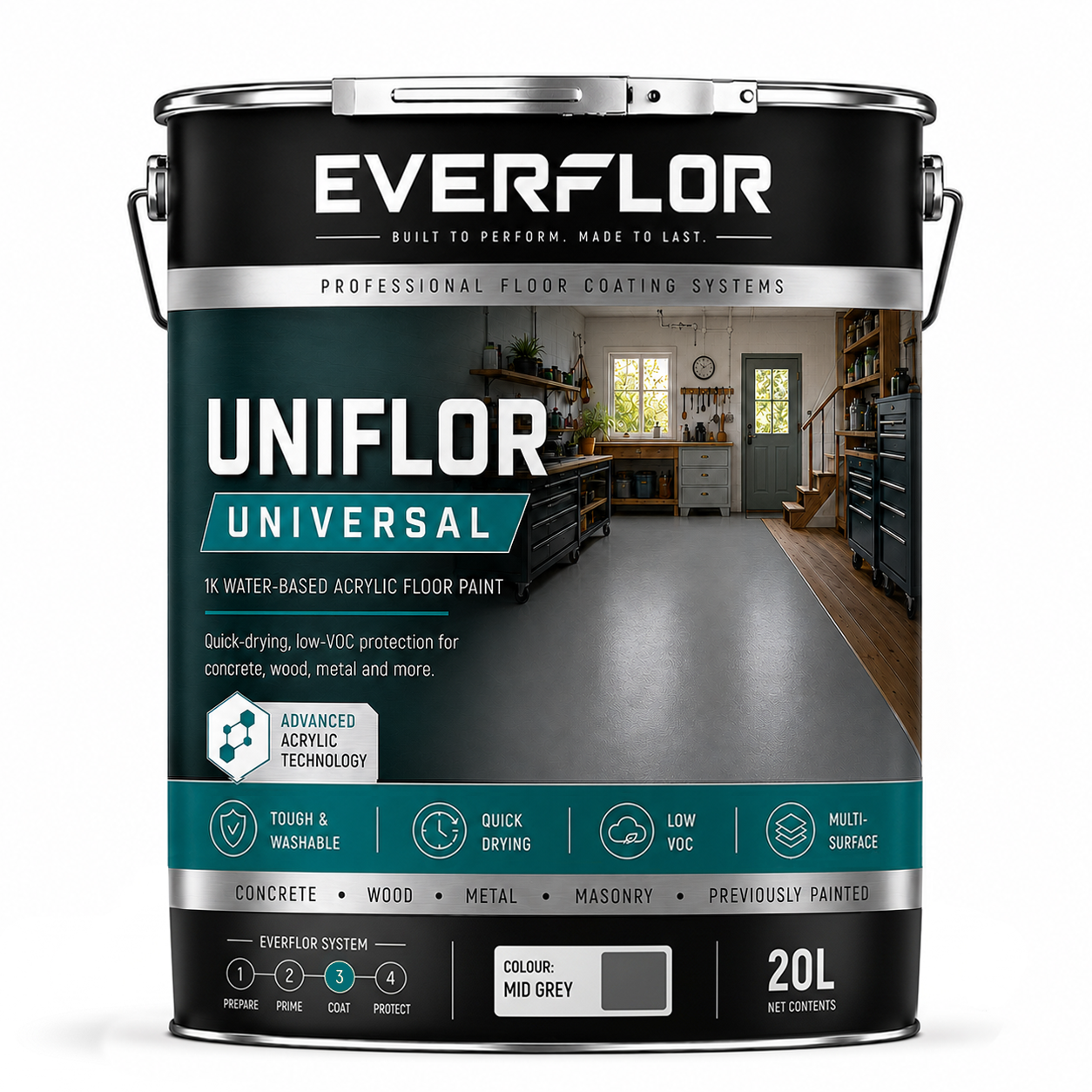
Everest Trade - Pintura para Suelos de Secado Rápido - Alta Capa - Antideslizante
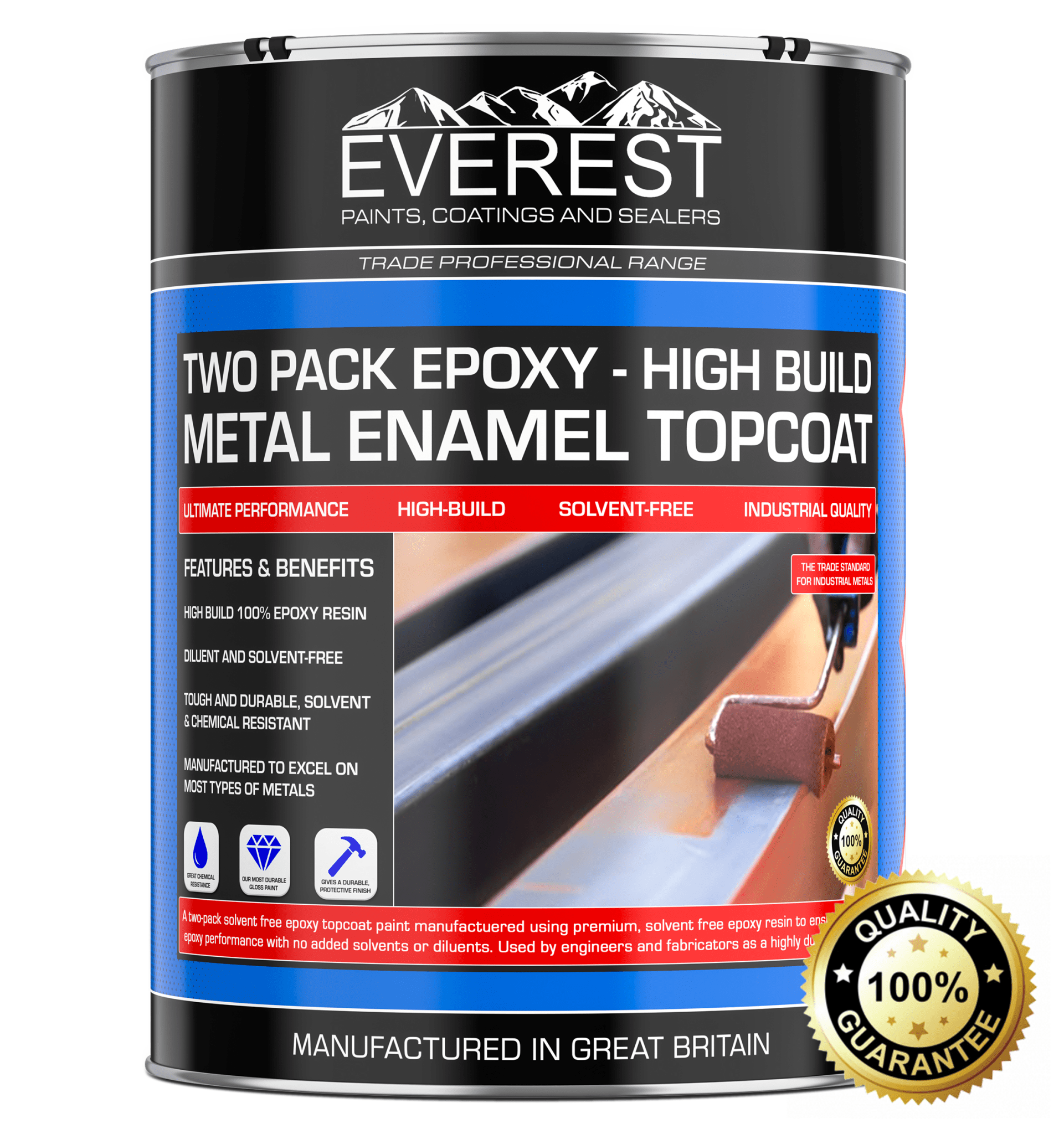
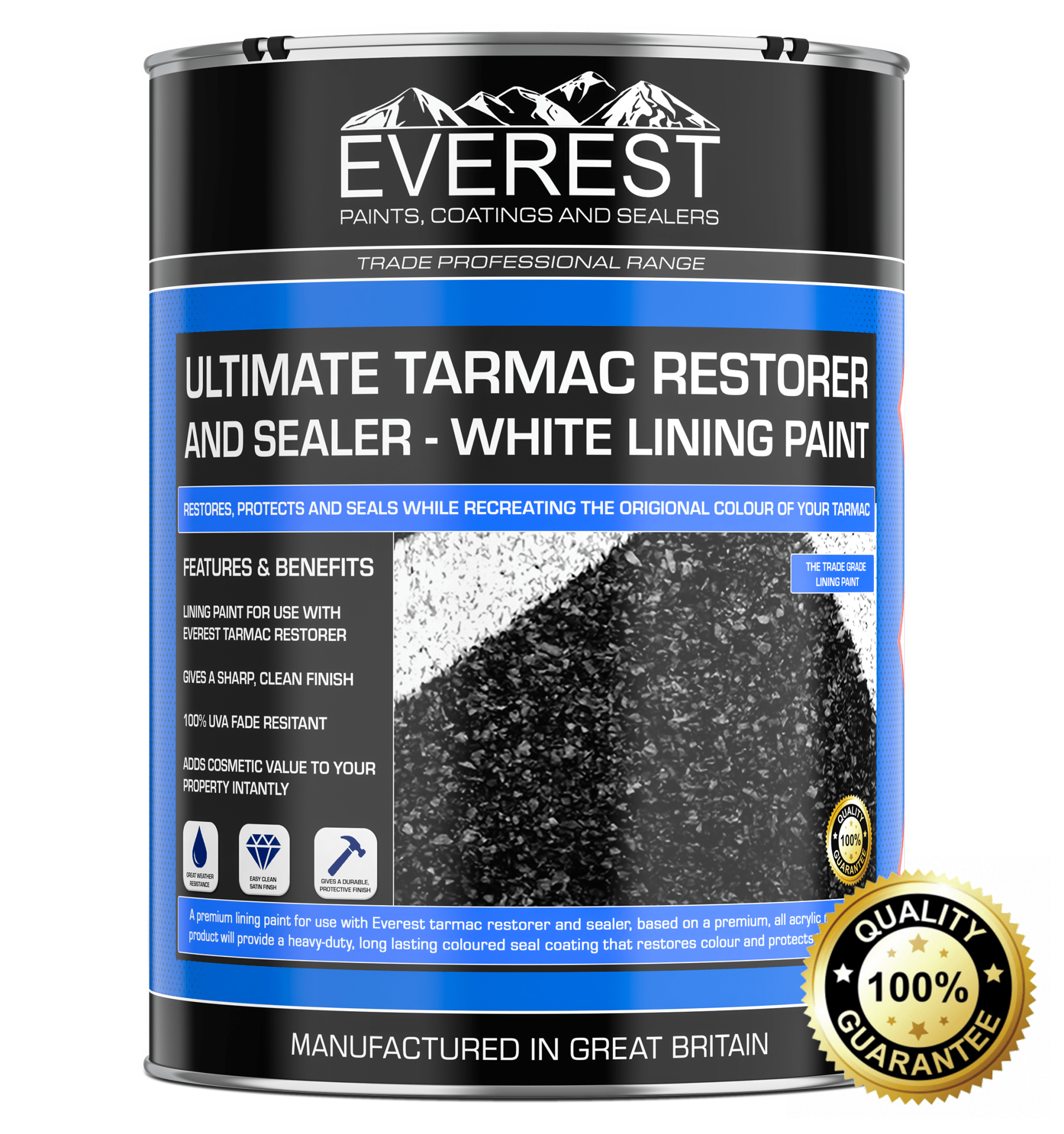
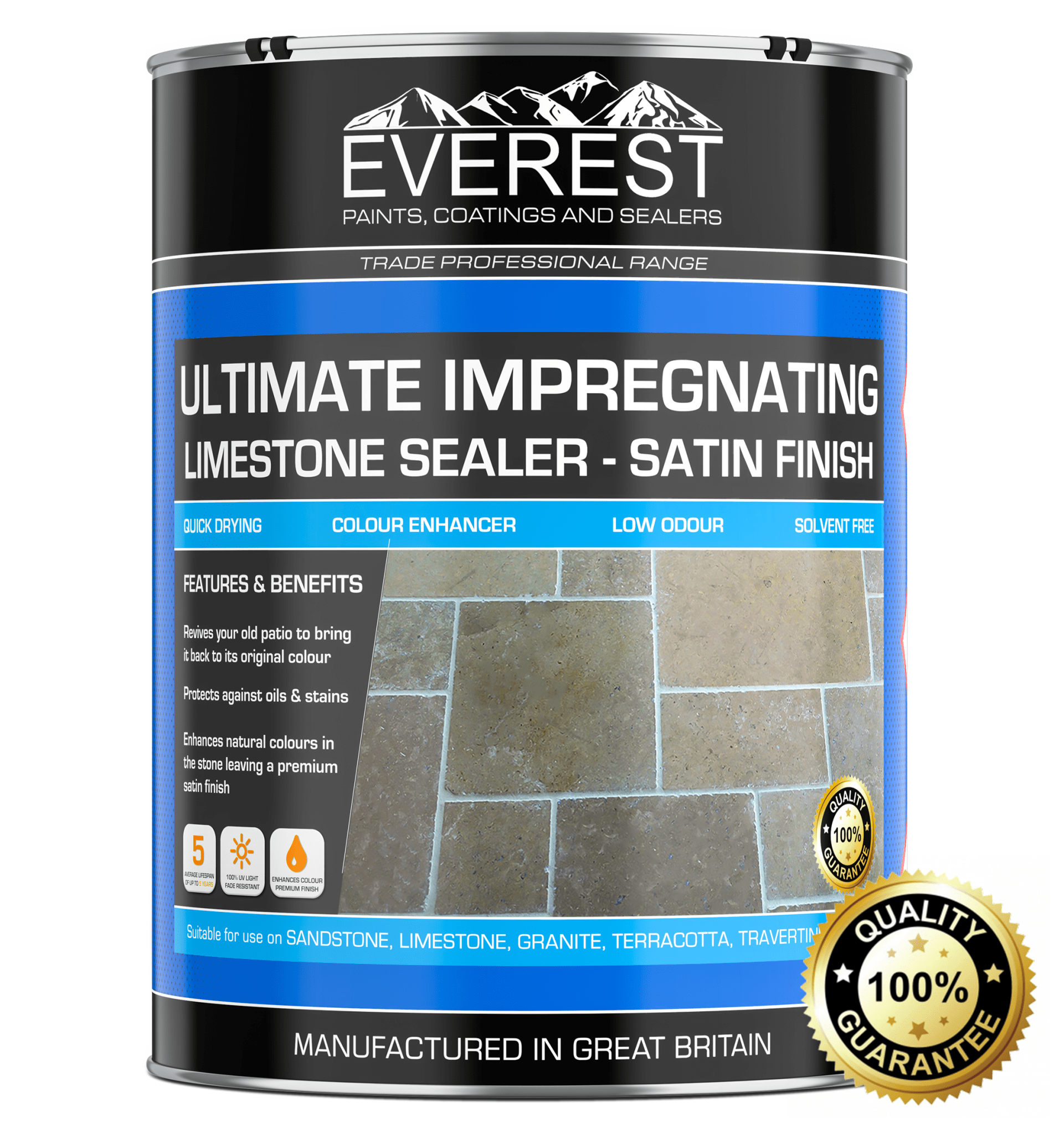
Everest Trade Paints - Sellador de Piedra Caliza Supremo - Acabado Satinado - Fórmula Impregnante
Similar Product Ranges
100% Solids Technology
220 Microns Per Coat
Internal Floors Only
Easy Application
Industrial grade coating
Solvent free, no shrinkage
Up to 5x thicker
Withstands heavy forklift traffic
Resists oil, acids, alkalis
Easy-clean surface
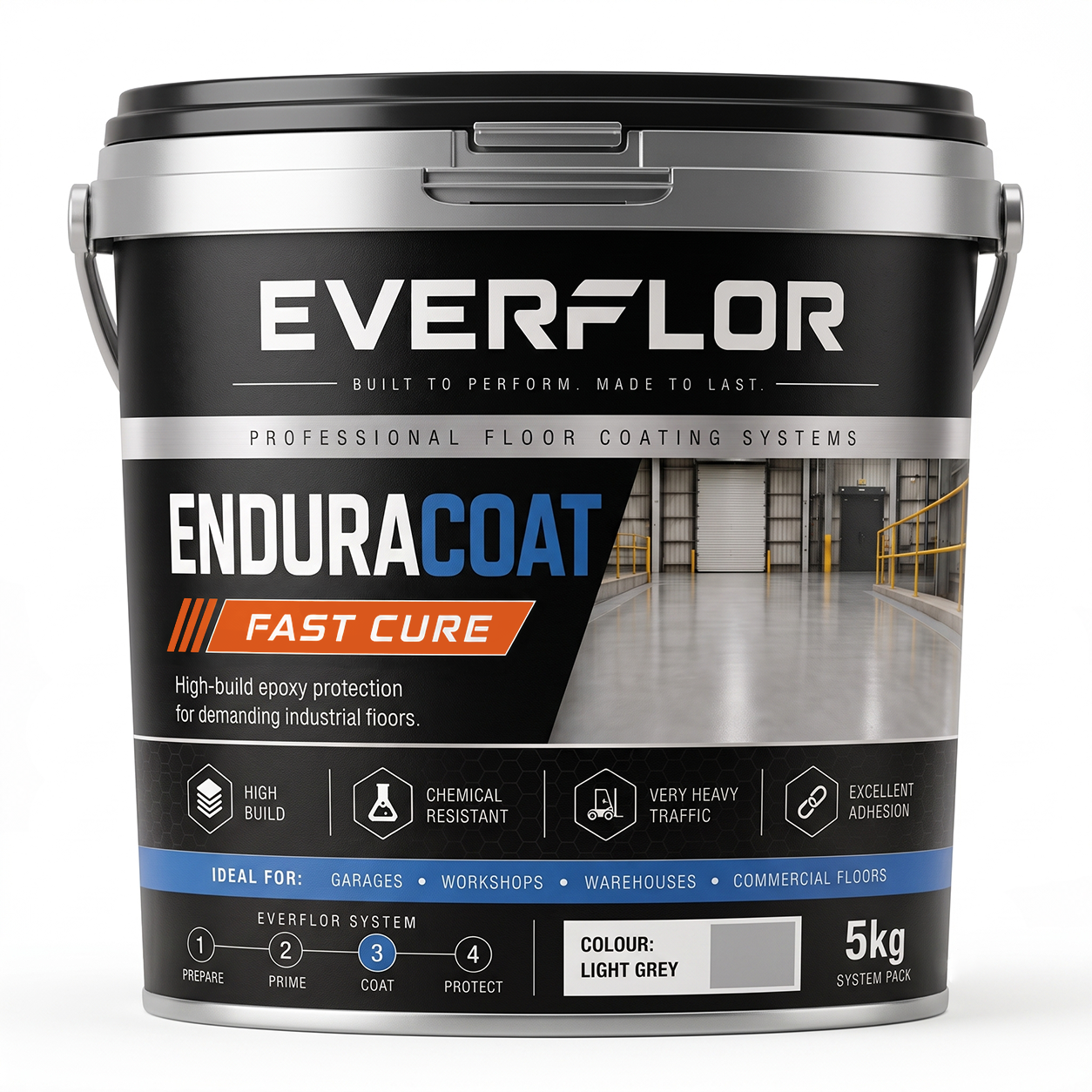
Industrial grade coating
Solvent free, no shrinkage
Up to 5x thicker
Withstands heavy forklift traffic
Resists oil, acids, alkalis
Easy-clean surface
Industrial grade coating
Solvent free, no shrinkage
Up to 5x thicker
Withstands heavy forklift traffic
Resists oil, acids, alkalis
Easy-clean surface
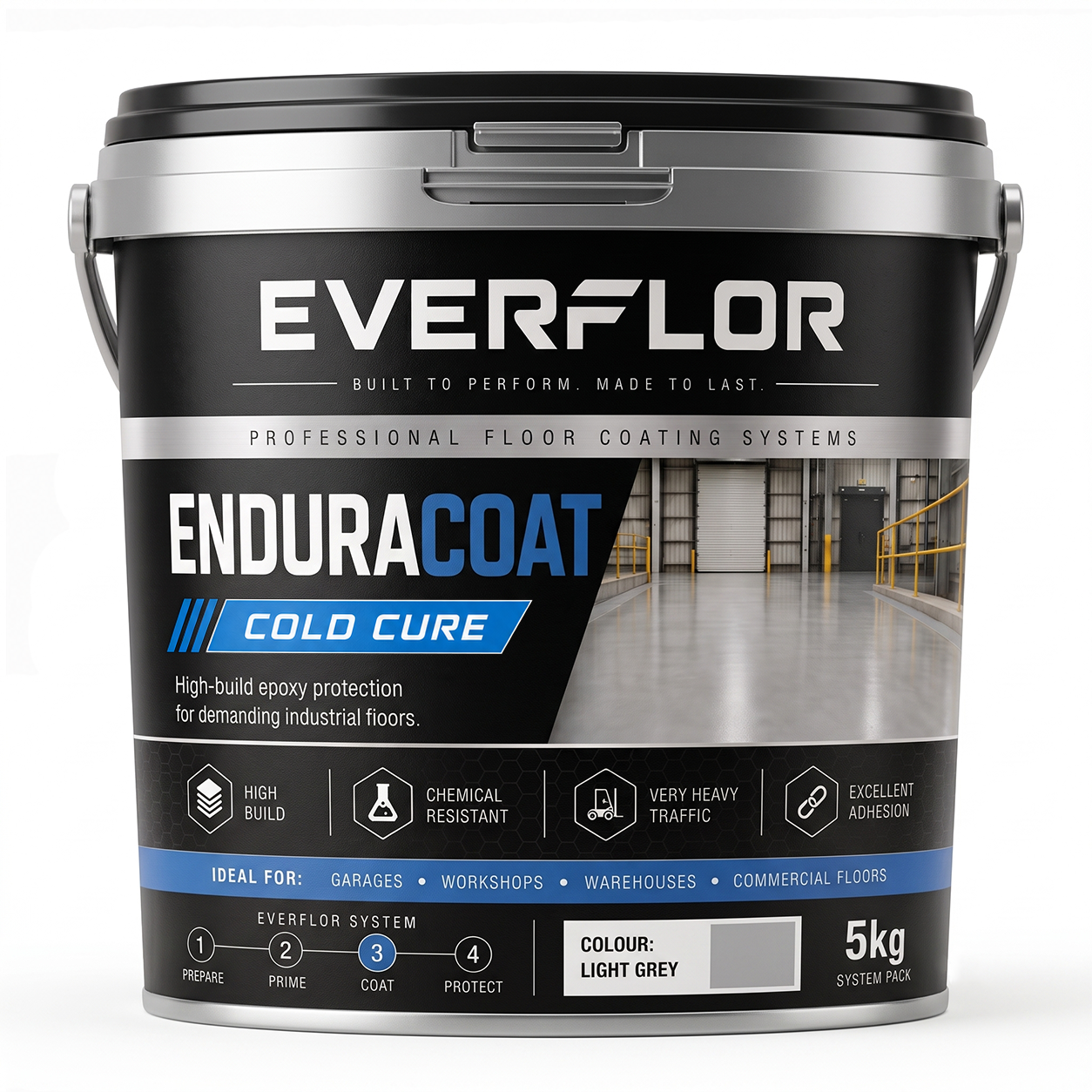
Industrial grade coating
Solvent free, no shrinkage
Up to 5x thicker
Withstands heavy forklift traffic
Resists oil, acids, alkalis
Easy-clean surface
Industrial grade coating
Solvent free, no shrinkage
Up to 5x thicker
Withstands heavy forklift traffic
Resists oil, acids, alkalis
Easy-clean surface
FAQs
Expert Advice & Guides
A few of our most recent guides applicable to this product range.
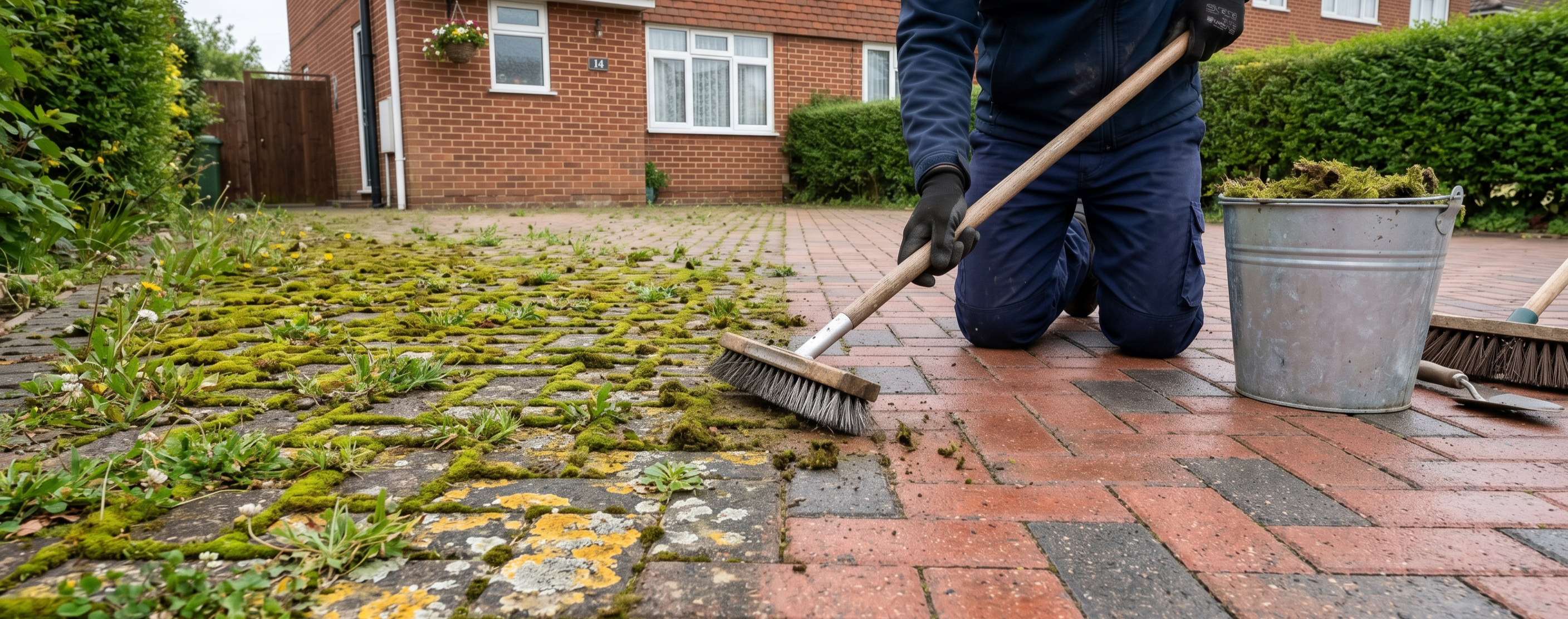
- por Sam Marriott
- por Sam Marriott
- por Sam Marriott