

Guides and Posts
Of Products
Help Categories
Helpful Staff
Technical Support & Guidance
Find the Right Application Advice
Search by surface, product or problem to access technical advice. From coating selection and compatibility to preparation and application methods, find the correct guidance before you begin.
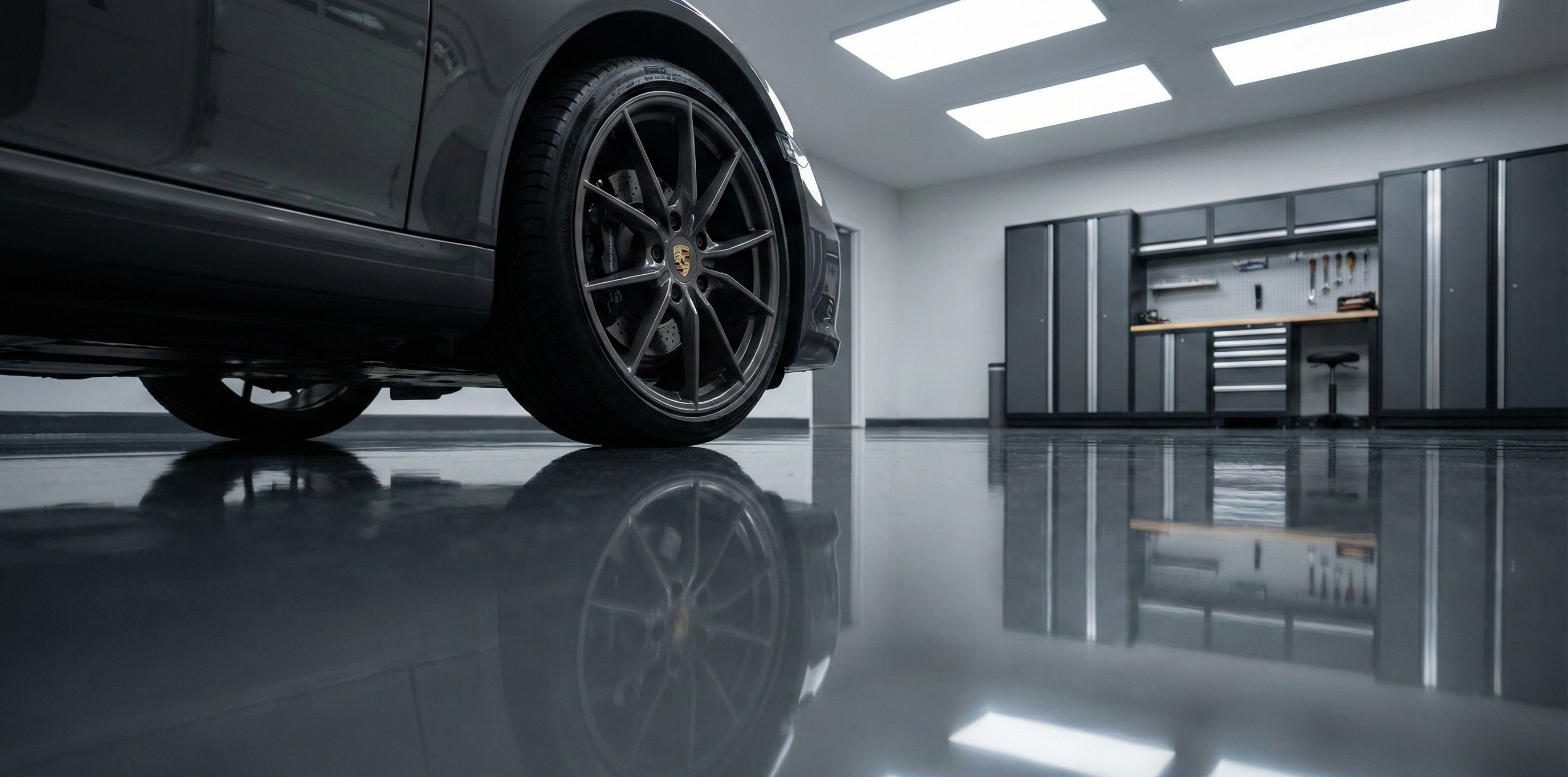
- 0 comentarios
- por Sam Marriott
Curing Stages: When Can I Drive on My New Floor?
No guides found matching your search.
Try a different keyword.
For All Surfaces & Coating Systems
Application Advice
Technical guidance covering product selection, system design and application considerations. Designed to help you choose the correct approach before starting work.
Curing Stages: When Can I Drive on My New Floor?
Technical Advice & Best Practice Explained
Application Advice FAQ’s
PRODUCT SELECTION FAQ’s
Selecting the correct coating system is critical to achieving long-term performance.
How do I choose the right paint or coating?
The correct product depends on the substrate, environment and expected use. For example, floors require abrasion resistance, metal requires corrosion protection, and masonry often requires breathable systems. Selecting the wrong product will lead to poor performance regardless of application quality.
Can I use one product for multiple surfaces?
Some coatings are multi-surface, but most are designed for specific substrates. Using a product outside its intended use can lead to adhesion failure or reduced durability.
What happens if I choose the wrong product?
Incorrect product selection can result in poor adhesion, premature failure, inadequate protection or an unsuitable finish.
How do I know if a coating is suitable for exterior use?
Exterior coatings must be UV resistant, weatherproof and flexible enough to handle temperature changes. Always check product specifications.
Do higher-performance coatings make a difference?
Yes. Higher-quality coatings typically offer better durability, adhesion and resistance to environmental conditions.
SURFACE ASSESSMENT FAQ’s
Understanding the condition of the substrate is essential before selecting or applying any coating system.
What should I check before painting or coating?
Assess surface condition, including cleanliness, strength, moisture levels and any existing coatings. Identifying issues early prevents failure later.
How do I know if my surface is suitable for coating?
The surface must be clean, dry, sound and properly prepared. Any defects such as cracks, contamination or weak material must be addressed first.
Does the type of surface affect the system?
Yes. Different substrates behave differently and require specific preparation and coating systems.
Can I coat over damaged surfaces?
No. Damaged or unstable substrates must be repaired or stabilised before applying any coating.
Why is surface condition so important?
The coating relies on the substrate for support. If the surface is weak or contaminated, the coating will fail.
SYSTEM DESIGN & COMPATIBILITY FAQ’s
Coatings work as part of a system. Compatibility between layers and correct build-up are essential.
What is a coating system?
A coating system includes preparation, primers and topcoats working together to achieve the required performance.
Do all coatings need multiple layers?
Most systems require more than one layer to achieve proper adhesion, coverage and durability.
Can I mix different brands or products?
Not always. Incompatible products can react or fail to bond correctly, leading to system failure.
Why is compatibility important?
Each layer must bond correctly with the next. If compatibility is poor, the system will fail even if individual products are high quality.
How do I choose the correct system?
Select products designed to work together and suitable for the substrate and conditions.
APPLICATION PLANNING FAQ’s
Planning the application process helps ensure efficient work and consistent results.
What should I plan before starting?
Consider preparation requirements, tools, weather conditions, drying times and access to the area.
How do I avoid common application mistakes?
Follow recommended preparation and application methods, use the correct tools and avoid rushing the process.
Does timing matter when applying coatings?
Yes. Environmental conditions and working time can affect application and final performance.
Should I test a small area first?
Yes. Testing helps confirm compatibility and expected results before full application.
What tools do I need for application?
Tools depend on the coating and surface, but typically include rollers, brushes or spray equipment.
CONDITIONS, ENVIRONMENT & PERFORMANCE FAQ’s
Environmental conditions affect how coatings perform during and after application.
Do temperature and weather affect coatings?
Yes. Temperature, humidity and weather conditions influence drying, curing and final performance.
Can I apply coatings in poor weather?
Most coatings require suitable conditions. Applying in rain, high humidity or extreme temperatures can lead to failure.
Why is curing important?
Curing allows the coating to reach full strength and performance. Interrupting this process can reduce durability.
How do I ensure long-term performance?
Use the correct system, prepare the surface properly and apply under suitable conditions.
What causes coatings to fail after application?
Common causes include poor preparation, incorrect product selection, incompatible systems and unsuitable conditions.

The Help & Technical Hub
Our coatings are backed by more than just performance — they’re supported by clear documentation, practical guides, and real technical support.
The Help & Technical Hub brings together preparation guides, application advice, FAQs, SDS & TDS downloads, and system recommendations to help you choose, apply, and maintain the right coating with confidence.